


What does “cystic ovarian cyst” mean?
May 21, 2026
Source: Cainiu Health

Dr. Zhang Lu
Introduction
In general, a cystic ovarian cyst refers to a soft, fluid-filled cystic mass detected in the ovary via imaging studies. It is the most common type of ovarian cyst and differs from solid or mixed-type cysts. If any discomfort or symptoms arise, prompt medical evaluation is recommended. A detailed analysis follows:
Generally, a cystic ovarian cyst refers to a fluid-filled, soft, cystic mass detected in the ovary via imaging studies. It is the most common type of ovarian cyst and differs from solid or mixed-type cysts. If any discomfort or symptoms arise, prompt medical consultation is recommended. A detailed explanation follows:
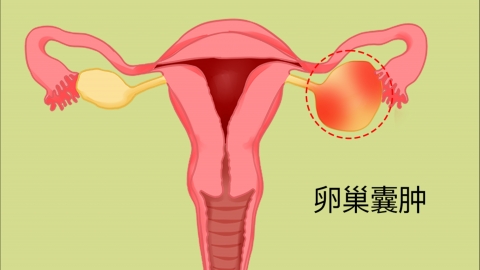
These cysts typically contain clear serous fluid, mucus, or follicular fluid; their walls are thin and structurally regular. Most are physiological or benign lesions that grow slowly, rarely invade surrounding tissues, and have an extremely low risk of malignant transformation. Common types include follicular cysts, corpus luteum cysts, and simple serous cysts. They are often small in size and usually cause no noticeable symptoms; some may even shrink or resolve spontaneously with the menstrual cycle.
Regular gynecological ultrasound monitoring is advised to track changes in cyst size. In daily life, minimize intake of foods high in estrogen, maintain regular sleep patterns to stabilize endocrine function, and avoid prolonged emotional stress or suppression. Small cysts generally require no specific intervention. However, if the cyst continues to enlarge or is accompanied by abdominal pain or menstrual irregularities, timely medical evaluation and targeted treatment are essential.



