


Can ovulation tests show two lines during ovulation?

Under normal circumstances, whether two lines appear on an ovulation test depends on the type of test strip used and individual circumstances. If you experience any discomfort, seek medical attention promptly. A detailed analysis follows:
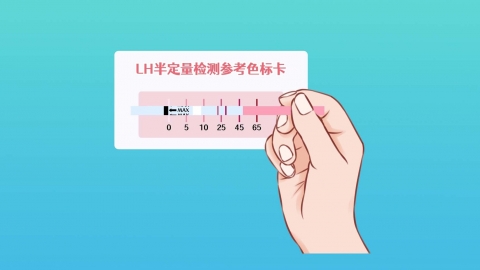
During the ovulation period, luteinizing hormone (LH) levels in the body peak. Ovulation test strips are designed to detect this LH surge; most individuals will observe two lines of equal intensity—indicating the optimal window for ovulation. This is the ideal time to schedule intercourse. For best results, test at the same time each day and continue monitoring until the test shows only one line (the control line), thereby tracking your complete ovulation cycle.
During ovulation, human chorionic gonadotropin (hCG) levels remain unchanged. Therefore, using a pregnancy test (which detects hCG) solely during the ovulation phase will typically yield only one control line—i.e., a negative result—and will not show two lines. There is no need for repeated or frequent testing at this stage, as it may cause unnecessary anxiety. Instead, consider retesting approximately ten days after ovulation has concluded.
In daily life, always confirm the intended purpose of the test strip before use, and avoid confusing ovulation tests with pregnancy tests. Follow standardized testing procedures—including appropriate timing and proper urine collection—to ensure accuracy. Additionally, integrate other physiological signs of ovulation—such as egg-white cervical mucus (spinnbarkeit) and mild lower abdominal heaviness or discomfort—into your overall assessment. Do not rely exclusively on test strip results to determine ovulation status.


