


What happens if the uterus is not completely cleared after an abortion?
May 21, 2026
Source: Cainiu Health

Dr. Zhang Lu
Introduction
“Induced abortion” typically refers to artificial (or surgical) abortion. In general, incomplete uterine evacuation following an induced abortion may lead to abnormal vaginal discharge, abdominal pain, persistent vaginal bleeding, menstrual disorders, intrauterine adhesions, and other complications. If any discomfort or symptoms arise, prompt medical consultation is recommended. Detailed analysis is as follows: In daily life, close monitoring of postoperative vaginal bleeding, abdominal pain, and vaginal discharge is essential after induced abortion.
“Induced abortion” commonly refers to an artificial (or surgical) abortion. In general, if the uterus is not thoroughly cleared following an induced abortion, complications such as abnormal vaginal discharge, abdominal pain, prolonged vaginal bleeding, menstrual disorders, and intrauterine adhesions may occur. If any discomfort arises, prompt medical consultation is strongly advised. A detailed analysis follows:
1. Abnormal Vaginal Discharge
Retained embryonic tissue within the uterine cavity can promote bacterial growth, leading to endometritis (inflammation of the uterine lining), which in turn stimulates the vagina to produce abnormal discharge. This typically manifests as yellowish or greenish discharge, often accompanied by a foul odor; in some cases, purulent (pus-like) discharge may also appear. Upon noticing such symptoms, timely follow-up examination is essential. Maintaining external genital hygiene is critical to prevent ongoing bacterial proliferation and worsening infection.
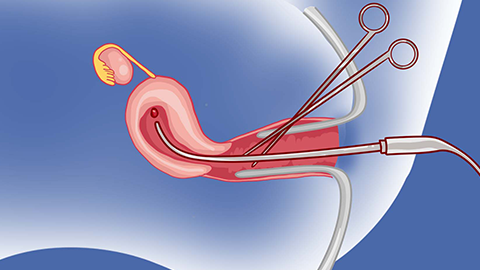
2. Abdominal Pain
Retained tissue continuously irritates the uterine smooth muscle, triggering frequent uterine contractions and resulting in intermittent, dull, or sharp lower abdominal pain. Pain intensity often increases significantly with physical exertion or exposure to cold. To mitigate this, keep the abdomen warm, avoid strenuous activity to reduce uterine stimulation, and seek prompt medical evaluation to assess for retained tissue.
3. Prolonged Vaginal Bleeding
Retained intrauterine tissue prevents normal healing of the uterine wound surface, leading to persistent, light vaginal bleeding (spotting) and prolonged bleeding duration—sometimes accompanied by passage of blood clots. To minimize risks, avoid overexertion, refrain from tub bathing, and maintain dryness and cleanliness of the genital area to prevent retrograde infection during the bleeding period.
4. Menstrual Disorders
Retained tissue can damage the basal layer of the endometrium, disrupting normal endometrial repair and interfering with endocrine rhythm regulation. This may result in postoperative menstrual irregularities—including delayed menstruation, unpredictable menstrual flow (excessively heavy or scanty), or prolonged, irregular spotting. Adopting regular sleep patterns, avoiding late-night activities, and maintaining emotional stability support gradual restoration of normal endocrine function.
5. Intrauterine Adhesions (Asherman’s Syndrome)
Prolonged retention of tissue can cause recurrent endometritis, leading to endometrial injury and subsequent adhesion formation. This narrows the uterine cavity and, in severe cases, may cause amenorrhea (absence of menstruation) and cyclical abdominal pain. Once diagnosed, timely intervention is crucial to prevent progression of adhesions, which could impair future uterine recovery and fertility.
During daily life after induced abortion, closely monitor vaginal bleeding, abdominal pain, and vaginal discharge. Attend scheduled follow-up visits for transvaginal ultrasound examinations. Sexual intercourse must be avoided for at least one month post-procedure. Maintain a light yet nutritionally balanced diet, practice meticulous genital hygiene, avoid staying up late or engaging in heavy physical labor, and strictly adhere to medical instructions—including prompt treatment—if retained tissue is detected—to minimize the risk of long-term complications.



