


What kidney problems can cause facial swelling?

Under normal circumstances, facial edema caused by kidney-related issues primarily stems from the following conditions: excessive water intake before bedtime, physiological kidney deficiency with fluid retention, acute glomerulonephritis, chronic pyelonephritis, and nephrotic syndrome. If any discomfort arises, it is advisable to seek timely evaluation and treatment at a reputable hospital. A detailed analysis follows:
1. Excessive Water Intake Before Bedtime
Consuming large amounts of water shortly before sleep—when renal metabolism slows during nighttime—can impair the kidneys’ ability to promptly excrete excess fluid. This leads to fluid accumulation in the loose connective tissue of the face, resulting in facial edema. To prevent this, adjust daily hydration habits: reduce fluid intake 1–2 hours before bedtime and avoid drinking large volumes at once. Upon waking, gentle facial massage may help promote fluid metabolism.
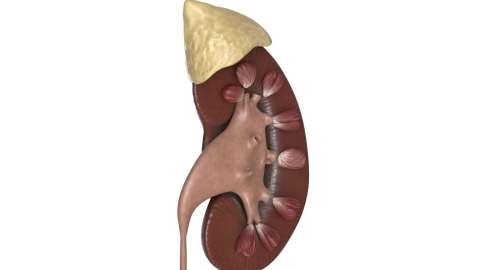
2. Physiological Kidney Deficiency with Fluid Retention
Physical fatigue, irregular sleep patterns, and prolonged sleep deprivation can transiently weaken the kidneys’ function in regulating fluid metabolism, leading to abnormal water-damp retention and mild facial swelling. Maintaining regular sleep-wake cycles, ensuring adequate rest, avoiding overexertion, and engaging consistently in moderate aerobic activities—such as slow jogging or brisk walking—can enhance the body’s capacity for fluid regulation.
3. Acute Glomerulonephritis
Acute inflammatory injury to the glomeruli impairs their filtration capacity, hindering the normal urinary excretion of water and sodium ions. Consequently, fluid accumulates systemically, with periorbital and facial edema often appearing first. Under medical supervision, diuretic medications—including hydrochlorothiazide tablets, furosemide tablets, and spironolactone tablets—may be prescribed to promote diuresis and reduce edema. Additionally, a low-sodium diet helps minimize fluid and sodium retention, while bed rest supports renal functional recovery.
4. Chronic Pyelonephritis
Prolonged, low-grade inflammation in the renal pelvis progressively damages tubular reabsorption and excretory functions, disrupting fluid homeostasis and causing recurrent facial edema. Antibiotics such as amoxicillin capsules, cefuroxime axetil tablets, or norfloxacin capsules may be administered under physician guidance to control infection. In cases of refractory inflammation, ureteral reimplantation surgery may be considered to improve urinary drainage from the kidneys.
5. Nephrotic Syndrome
This condition causes massive urinary loss of albumin, resulting in hypoalbuminemia. Reduced intravascular oncotic pressure allows fluid to shift into interstitial spaces, producing persistent facial edema. Treatment typically involves immunosuppressive agents—including prednisone acetate tablets, cyclophosphamide tablets, and tacrolimus capsules—under medical supervision. When pharmacologic response is suboptimal, renal biopsy may be performed to determine the precise histopathologic subtype and guide targeted therapy.
In daily life, maintain a low-sodium, light diet and monitor total fluid intake; adhere to regular sleep schedules and avoid late-night activity or excessive fatigue; engage in appropriate physical exercise to strengthen overall health; and undergo routine monitoring—including serum renal function tests and urinalysis—to assess kidney health. Prompt medical evaluation is essential if persistent facial edema develops, to identify and address the underlying cause.


