


What precautions should be taken in daily life for a right ovarian cyst?

Under normal circumstances, key daily considerations for managing a right ovarian cyst include maintaining a regular sleep schedule, adopting a light and healthy diet, avoiding strenuous physical activity, stabilizing emotional well-being, and undergoing regular follow-up examinations. If any discomfort arises, prompt consultation and treatment at a reputable hospital are recommended. A detailed analysis follows:
1. Maintain a Regular Sleep Schedule
Chronic sleep deprivation and irregular作息 disrupt endocrine balance, leading to abnormal ovarian hormone secretion, which may stimulate abnormal cyst growth. Adhering to a consistent sleep-wake cycle—going to bed early and rising early—helps stabilize the body’s endocrine environment and reduces adverse stimulation to the ovaries, thereby aiding in controlling cyst progression.
2. Adopt a Light and Healthy Diet
High-fat, spicy, or highly stimulating foods increase metabolic burden in the pelvic cavity and interfere with hormonal metabolism. Daily meals should emphasize low-fat, high-fiber ingredients; incorporate abundant fresh fruits and vegetables, as well as high-quality protein sources. Limit intake of fried, spicy, and “warming” (tonifying) foods to maintain stable pelvic metabolism and reduce the risk of cyst exacerbation.
3. Avoid Strenuous Physical Activity
Vigorous running, jumping, or heavy lifting significantly increases intra-abdominal pressure, potentially triggering acute complications such as ovarian cyst torsion or rupture. Opt instead for gentle activities like walking or slow strolling, and avoid high-intensity exercise and heavy manual labor to safeguard pelvic organ integrity.
4. Stabilize Emotional Well-being
Prolonged anxiety, depression, or irritability disrupts the rhythmic secretion of hormones, impairing normal ovarian physiology. Cultivating inner calmness—through hobbies, relaxation techniques, or other stress-relieving activities—supports endocrine stability and minimizes triggers for abnormal cyst changes.
5. Undergo Regular Follow-up Monitoring
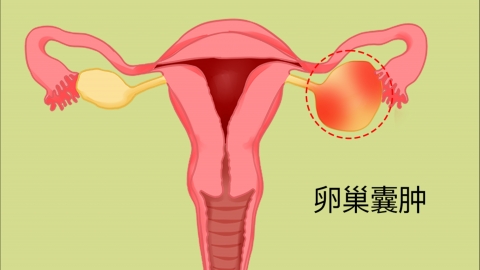
Ovarian cysts may be either physiological or pathological, and their characteristics often fluctuate with the menstrual cycle. Scheduled pelvic ultrasound examinations allow timely assessment of cyst size and morphology, enabling early detection of abnormalities and providing essential data to guide subsequent management and treatment strategies.
In daily life, maintain proper genital hygiene to prevent pelvic infection; avoid prolonged sitting—take periodic breaks to move and promote pelvic blood circulation; refrain from indiscriminately using hormone-containing supplements or medications; and adopt an overall healthy lifestyle to protect ovarian health.


