


Can pregnant women eat more tomatoes?

Generally, pregnant women are advised not to consume excessive amounts of tomatoes and should instead eat them in moderation. A detailed analysis follows:
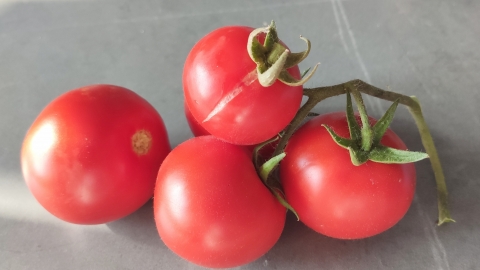
Tomatoes are rich in organic acids, dietary fiber, and plant alkaloids. Excessive intake may irritate the gastrointestinal tract of pregnant women, leading to overproduction of gastric acid and symptoms such as acid reflux, abdominal distension, and diarrhea. Unripe tomatoes contain solanine; consuming large quantities can increase metabolic burden and pose health risks. Moreover, excessive tomato consumption may interfere with the absorption of other essential nutrients. Overreliance on a single food item can result in nutritional imbalance, failing to meet the diverse nutritional requirements of pregnancy and thus compromising maternal health stability.
During pregnancy, tomato consumption should be carefully controlled—small, moderate portions are recommended. Fully ripe, fresh tomatoes should be prioritized, while green or unripe tomatoes must be avoided entirely. To minimize direct gastric irritation from organic acids, tomatoes should not be consumed on an empty stomach. A varied diet—including lean meats, eggs, and other fruits and vegetables—is essential to ensure balanced nutrient intake. If gastrointestinal discomfort occurs after eating tomatoes, consumption should be discontinued immediately; if symptoms are severe, prompt medical evaluation is advised to safeguard dietary safety and maternal well-being during pregnancy.


