


What Are the Risks of Drinking Black Soybean Milk During Menstruation?

Under normal circumstances, consuming black soybean milk during menstruation may pose several health risks, including gastrointestinal bloating, exacerbation of menstrual cramps, menstrual irregularities, induction of pelvic inflammatory disease, and stimulation of endometrial hyperplasia. If any discomfort occurs, prompt medical consultation is recommended. A detailed analysis follows:
1. Induction of Gastrointestinal Bloating
Black soybean milk is rich in oligosaccharides and plant-based proteins. During menstruation, gastrointestinal digestive function tends to be weakened, making these components difficult to break down and absorb. As a result, they may ferment in the intestines, producing gas. Excessive consumption can lead to abdominal distension, borborygmi (rumbling sounds), and increased flatulence—causing gastrointestinal discomfort and impairing overall comfort during menstruation.
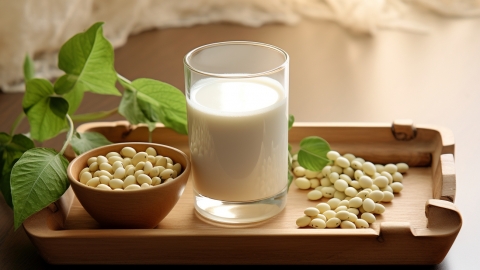
2. Exacerbation of Menstrual Cramps
Black soybean milk has a relatively cold and cooling nature. Consuming large quantities during menstruation may impede blood and qi circulation in the pelvic region, leading to stagnation. Women with pre-existing conditions such as “cold uterus” (a TCM concept referring to uterine coldness) or dysmenorrhea may experience worsening symptoms—including lower abdominal heaviness, cold pain, and other menstrual discomforts.
3. Menstrual Irregularities
Black soybean milk contains natural phytoestrogens. Excessive intake of these compounds during menstruation may disrupt the body’s intrinsic hormonal rhythm. Prolonged consumption during this period may result in prolonged or irregular menstrual bleeding, unpredictable fluctuations in menstrual flow (e.g., excessively heavy or scanty periods), and abnormal menstrual duration.
4. Induction of Pelvic Inflammatory Disease
During menstruation, immune function is relatively suppressed. Continuous intake of cold black soybean milk may further impair pelvic blood and qi circulation, causing stasis and reduced microcirculation. Chronic pelvic congestion significantly increases susceptibility to inflammatory infection, potentially manifesting as dull lower abdominal pain and abnormal vaginal discharge—typical signs of pelvic inflammatory disease.
5. Stimulation of Endometrial Hyperplasia
Phytoestrogens exert continuous effects on the endometrium. Since the endometrium undergoes shedding and repair during menstruation, long-term excessive intake may chronically stimulate endometrial tissue. This may predispose to abnormal endometrial hyperplasia and increase the risk of intrauterine pathological changes—thereby compromising uterine health.
To minimize potential adverse effects, it is advisable to limit or avoid black soybean milk entirely during menstruation—especially chilled or overnight-stored varieties. Instead, opt for warm, mild, easily digestible liquid or semi-liquid foods. Maintain abdominal warmth and support smooth circulation of blood and qi to help reduce various menstrual discomforts.


