Can a person survive if both kidneys fail?
May 23, 2026
Source: Cainiu Health

Dr. Yang Guang
Introduction
In most cases, patients can still live a normal life even if both kidneys are damaged—provided they receive prompt and active treatment. Bilateral kidney damage indicates the onset of kidney failure, which requires timely intervention to alleviate symptoms. If any discomfort or abnormal symptoms arise, prompt medical consultation is strongly advised. Once bilateral renal failure is confirmed, patients must strictly adhere to their physician’s treatment plan, undergo regular follow-up assessments—including monitoring of renal function, electrolyte levels, and other relevant parameters—and maintain close surveillance of disease progression.
Under normal circumstances, patients can still survive even if both kidneys have failed—provided they receive prompt and active treatment. Bilateral kidney failure indicates the onset of renal failure and requires timely intervention to alleviate symptoms. If any discomfort arises, prompt medical consultation is strongly advised. A detailed analysis follows:
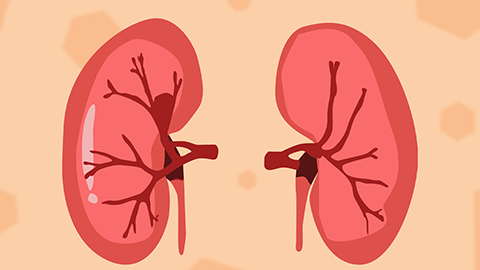
Bilateral kidney failure represents a severe form of renal disease, signifying a marked decline in the kidneys’ filtration, metabolic, and detoxification functions. As a result, metabolic waste products and excess fluid accumulate in the body, leading to systemic abnormalities across multiple organ systems. Timely, standardized clinical treatment can effectively slow disease progression and mitigate complications—including edema, electrolyte imbalances, and toxin accumulation—thereby sustaining essential physiological functions and significantly improving both quality of life and life expectancy. Most patients can maintain stable physical health over the long term.
Following a confirmed diagnosis of bilateral renal failure, strict adherence to the physician’s prescribed treatment regimen is essential. Regular follow-up assessments—including monitoring of renal function and electrolyte levels—are critical for real-time evaluation of disease progression. Daily management should emphasize a low-salt, low-fat, and high-quality low-protein diet, with strict control of fluid intake to reduce the kidneys’ metabolic burden. Consistent sleep-wake cycles, avoidance of overexertion and sleep deprivation, abstinence from tobacco and alcohol, and avoidance of nephrotoxic foods and medications are all vital. Maintaining emotional stability and engaging in long-term chronic disease management further help delay progressive deterioration of renal function.