


Can patients with uremia who have undergone kidney transplantation have children?

Childbirth typically refers to delivery. In general, whether a patient with uremia can deliver after kidney transplantation depends on the extent of postoperative disease remission. If any discomfort or symptoms arise, prompt medical consultation is recommended. A detailed analysis follows:
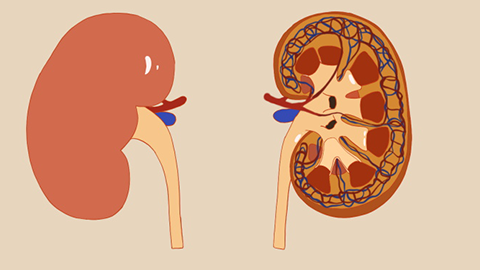
For individuals who recover well after kidney transplantation—whose renal function remains stable over the long term, without persistent proteinuria, hypertension, or rejection episodes—and whose organ functions have fully returned to normal, and who have completed an adequate postoperative follow-up period with demonstrated tolerance to the physiological demands of pregnancy, pregnancy and subsequent delivery may be considered following thorough evaluation and approval by their physician. Stable renal function enables proper metabolism of waste products generated during pregnancy, thereby supporting healthy maternal and fetal development and facilitating successful completion of gestation.
Conversely, for individuals with suboptimal recovery after kidney transplantation—such as those experiencing recurrent rejection episodes, unstable or deteriorating renal function, persistent hypertension, or proteinuria—pregnancy significantly increases renal workload, potentially triggering rapid renal functional decline. It also elevates the risks of fetal developmental abnormalities, preterm birth, and intrauterine fetal demise, while predisposing the mother to multiple severe pregnancy-related complications that endanger both maternal and fetal life.
Individuals who have undergone kidney transplantation and are planning pregnancy should undergo comprehensive preconception health evaluations at a hospital. A specialist physician will assess renal function, immunological parameters, and overall physiological tolerance to pregnancy. Only after confirming suitability for conception should pregnancy be initiated. Throughout gestation, strict adherence to scheduled medical follow-ups, prescribed medications, a light low-sodium diet, avoidance of physical exhaustion and sleep deprivation, and close monitoring of both renal function and fetal development are essential to mitigate all potential pregnancy-related risks.


