


Is menstrual blood “unclean” blood?

Menstrual blood typically refers to the blood discharged during menstruation. Under normal circumstances, menstrual blood is not “toxic” or “impure” blood; rather, it is a natural byproduct of the female reproductive system’s physiological processes. A detailed explanation follows:
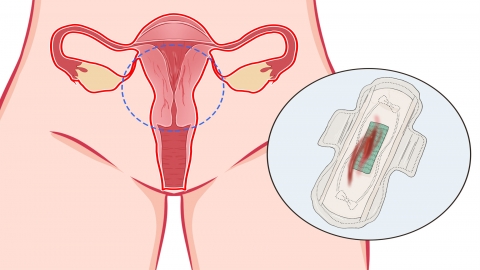
Many people mistakenly believe that menstrual blood consists of stagnant, “dirty” blood and toxins accumulated within the body—a common misconception. In reality, menstrual blood results from the shedding of the uterine endometrium under the influence of hormonal cycles, mixed with normal blood and cervical mucus, forming a physiological secretion—not a harmful waste product. Regular menstruation simply reflects the body’s normal metabolic turnover and indicates stable function of both the reproductive and endocrine systems; it is not the body expelling “impurities,” and thus should not evoke feelings of aversion or anxiety.
Maintaining basic self-care practices suffices to support menstrual health: keep the abdomen warm during menstruation and avoid cold, raw, or cooling foods; clean the external genitalia daily with warm water and change sanitary products regularly; maintain regular sleep-wake patterns, avoid excessive fatigue, and manage emotional well-being—minimizing stress, irritability, and anxiety—to comfortably navigate each menstrual cycle.


