


Is a follicle measuring 18 × 15 mm considered a dominant follicle?

Under normal circumstances, a follicle measuring 18 × 15 mm is considered a dominant follicle. A detailed analysis follows:
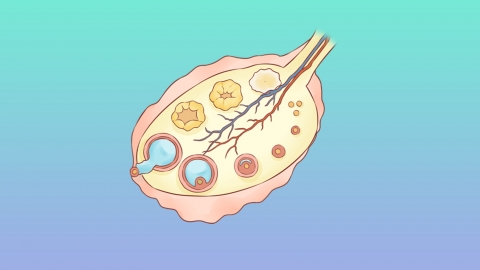
A follicle measuring 18 × 15 mm is classified as a high-quality dominant follicle, reflecting healthy follicular development and near-maturity. Medically, follicles with a diameter exceeding 10 mm are defined as dominant follicles; those measuring 18–25 mm fall within the standard range for mature follicles, indicating they possess normal ovulatory and conception potential. The slightly elliptical shape of an 18 × 15 mm follicle represents a normal morphological variation and does not compromise follicular quality. At this stage, the follicle is essentially mature, with its functional capacity nearly fully developed; ovulation typically occurs shortly thereafter, making this an optimal window for conception. Achieving the appropriate follicular size indicates stable ovarian endocrine function and a regular pattern of follicular growth and development. In the absence of abnormalities such as developmental arrest or atresia, the follicle is likely to ovulate successfully, enabling normal fertilization and thereby significantly enhancing the probability of natural conception.
Routine follicular monitoring every other day is recommended to precisely determine the timing of ovulation. Maintain regular sleep-wake cycles, avoid staying up late, and minimize physical overexertion and mental stress. Ensure a nutritionally balanced diet, incorporating moderate amounts of soy products and high-quality protein to support follicular development. Reduce high-intensity or strenuous exercise around the time of ovulation and maintain emotional stability. For couples planning pregnancy, coordinate intercourse timing appropriately. If persistent follicular development abnormalities occur, prompt medical evaluation and intervention are advised.


