


What are the implications of missing the nuchal translucency (NT) scan?
May 26, 2026
Source: Cainiu Health

Dr. Zhang Lu
Introduction
In general, common consequences of missing the nuchal translucency (NT) scan include failure to detect chromosomal abnormalities, missed opportunities for early structural anomaly screening, lack of early fetal developmental data, delayed initiation of early interventions, and increased psychological stress during pregnancy. If the NT scan is inadvertently omitted, it is recommended to promptly visit a reputable hospital to complete subsequent prenatal examinations. Moreover, missing the NT scan does not imply that the fetus has developmental abnormalities.
Generally, missing the nuchal translucency (NT) scan may lead to several adverse consequences, including failure to detect chromosomal abnormalities, missed opportunities for early structural anomaly screening, lack of early fetal developmental data, delayed initiation of early interventions, and increased psychological stress during pregnancy. If the NT scan is inadvertently omitted, it is recommended to promptly visit a reputable hospital to complete subsequent prenatal examinations. A detailed analysis follows:
1. Failure to Detect Chromosomal Abnormalities
The NT scan is a critical first-trimester screening tool for detecting fetal chromosomal abnormalities. By measuring the thickness of the nuchal translucency—the fluid-filled space at the back of the fetal neck—it helps estimate the risk of chromosomal disorders such as Down syndrome. Missing this examination means chromosomal abnormalities cannot be screened for during early pregnancy, potentially leaving underlying developmental anomalies undetected.
2. Missed Opportunity for Early Structural Anomaly Screening
During the NT scan, basic fetal anatomical structures—including the skull, trunk, and limbs—can be preliminarily assessed for normal development, enabling detection of obvious structural malformations at an early stage. Skipping this scan forfeits the chance for initial structural anomaly screening in the first trimester and prevents timely identification of fundamental structural developmental defects.
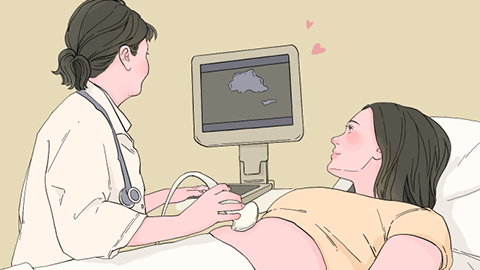
3. Absence of Early Developmental Data
NT measurement data serve as a key benchmark for evaluating early fetal development and provide valuable reference points for interpreting results of mid- and late-pregnancy prenatal examinations. Omitting the NT scan creates a critical gap in first-trimester prenatal data, hindering healthcare providers’ ability to comprehensively and continuously assess overall fetal developmental progress.
4. Delayed Timing for Early Intervention
Certain fetal developmental abnormalities can be identified early in pregnancy, allowing clinicians to formulate tailored management plans for the remainder of the pregnancy. Missing the NT scan eliminates access to this optimal early assessment window, resulting in delayed diagnosis and potentially compromising the timing and effectiveness of subsequent diagnostic evaluations and therapeutic interventions.
5. Increased Psychological Stress During Pregnancy
Without NT scan results, expectant mothers lack objective information regarding their baby’s early developmental status, leading to persistent concerns about fetal health. Prolonged anxiety may exacerbate psychological burden during pregnancy and adversely affect both maternal mental and physical well-being.
Additionally, missing the NT scan does not imply that the fetus has developmental abnormalities. Pregnant women should strictly adhere to the scheduled prenatal care protocol and timely undergo subsequent screenings—including non-invasive prenatal testing (NIPT) and comprehensive mid-trimester anomaly scans—to comprehensively monitor fetal development and ensure a safe pregnancy.



