


What phase does an endometrial thickness of 6 mm represent?

Under normal circumstances, an endometrial thickness of 6 mm typically corresponds to the early proliferative phase or the period immediately following menstruation. If discomfort symptoms occur during this phase, prompt medical consultation is recommended. A detailed analysis follows:
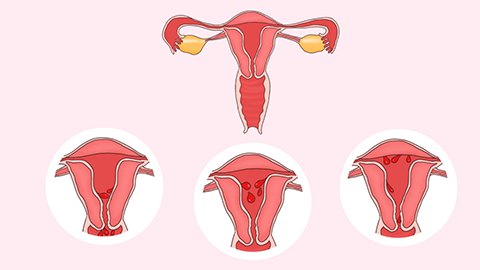
Immediately after menstruation ends, an endometrial thickness of 6 mm represents a normal physiological state. Menstruation causes shedding of the functional layer of the endometrium, enabling menstrual blood expulsion. Following completion of menses, the endometrium enters its thinnest reparative phase of the entire cycle; a normal thickness at this stage generally ranges from 4 to 6 mm. This thickness indicates complete shedding of the endometrium, absence of retained tissue within the uterine cavity, and favorable endometrial repair—reflecting stable estrogen levels and healthy uterine function.
After menstruation concludes, the ovarian follicular development phase begins. Follicles in the ovaries gradually grow, and the body starts secreting small amounts of estrogen, which mildly stimulates slow endometrial proliferation. During the early proliferative phase, endometrial thickening occurs gradually—not rapidly—and a thickness of 6 mm aligns with the expected growth pattern for this phase, indicating harmonious and stable coordination between hormonal secretion and endometrial proliferation.
It should be noted that endometrial thickness undergoes dynamic changes throughout the menstrual cycle; therefore, a single measurement of 6 mm does not indicate abnormality. If the menstrual cycle is regular and menstrual flow volume is normal, no intervention is required. However, if long-term monitoring reveals persistently thin endometrium alongside symptoms such as markedly reduced menstrual flow, delayed periods, or even amenorrhea, timely medical evaluation—including assessment of hormone levels and uterine structure—is warranted to identify underlying causes and guide targeted management.


