


Can pregnant women eat mussel during the third trimester?

Generally, pregnant women in the third trimester may consume mussel (Mytilus edulis), provided it is eaten in moderation. A detailed analysis follows:
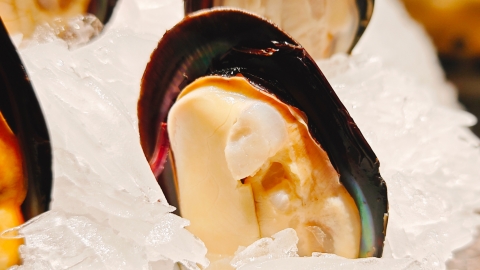
Mussels are highly nutritious, rich in high-quality protein, calcium, iron, zinc, and other trace elements, while being low in fat—making them well-suited to meet the nutritional needs of mothers during late pregnancy. Moderate consumption helps replenish essential nutrients for the mother, enhances immune function, and provides adequate nutritional support for fetal skeletal and overall physical development. Mussel meat is tender and easily digested and absorbed by the gastrointestinal tract; when consumed appropriately, it imposes no undue burden on the digestive system during late pregnancy and poses no adverse effects on either the mother or the fetus—making mussels an excellent seafood choice for this stage of pregnancy.
Mussels must be thoroughly cooked at high temperatures before consumption; raw or undercooked mussels must be strictly avoided to eliminate risks of parasitic or bacterial infection. Single-portion intake should be moderate to prevent gastrointestinal discomfort such as bloating or diarrhea. Only fresh, live mussels should be selected; spoiled or dead mussels must never be consumed. Pregnant women with a known history of seafood allergy must completely avoid mussels. Should any abnormal symptoms—including skin reactions or abdominal pain—occur after consumption, prompt medical evaluation and treatment are required.


