


Can a medication-induced abortion at 2 months’ gestation completely terminate the pregnancy?

Medication-induced abortion (commonly referred to as “medical abortion”) typically involves the use of pharmaceutical agents to terminate pregnancy. Whether a medical abortion can completely expel all pregnancy-related tissue following fetal demise at approximately two months’ gestation depends on multiple factors—including gestational sac size, uterine contractility, and individual physiological differences. If any discomfort or adverse symptoms arise, prompt medical consultation is strongly advised. A detailed analysis follows:
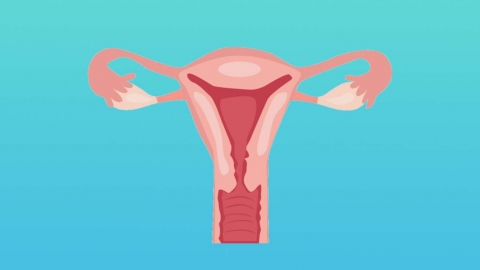
When the gestational sac is relatively small, fetal demise occurred recently, intrauterine tissues show no adhesion or organization, and uterine contractility is robust, medical abortion is likely to achieve complete expulsion of all pregnancy tissue. Following administration of the abortifacient drugs, the uterus contracts spontaneously, enabling full expulsion of the gestational sac and associated intrauterine tissues. The endometrium then gradually regains its smooth, uniform architecture; follow-up examinations typically reveal no residual tissue, and the body progressively returns to normal function.
Conversely, when the gestational sac is relatively large, embryonic tissue has remained in the uterine cavity for an extended period after fetal demise—leading to tissue adhesion or organization—and/or when the patient exhibits suboptimal uterine contractility, medical abortion may fail to fully clear intrauterine contents. Residual tissue may persist within the uterine cavity, predisposing the patient to complications such as prolonged vaginal bleeding or intrauterine infection. In such cases, additional therapeutic interventions—such as surgical evacuation—are often required to remove residual tissue.
During recovery, maintain a light yet nutritionally balanced diet, emphasizing high-quality protein intake to support healing of the uterine endometrial surface. Ensure adequate rest, avoid physical overexertion and strenuous exercise, and minimize overall bodily strain. Maintain strict perineal hygiene, change sanitary products promptly, and refrain from tub bathing and sexual intercourse for the short term. Attend scheduled follow-up visits to monitor uterine recovery and facilitate optimal, timely restoration of health.


