


What symptoms can result from drinking contaminated water?

Under normal circumstances, common symptoms of drinking contaminated water include abdominal pain and diarrhea, nausea and vomiting, abdominal distension, low-grade fever, dizziness, and fatigue. If any discomfort occurs, it is advisable to seek prompt medical evaluation and treatment at a reputable hospital. A detailed analysis follows:
1. Abdominal Pain and Diarrhea
Abdominal pain and diarrhea are the most frequent reactions following ingestion of contaminated water. Such water contains harmful substances—including bacteria and impurities—that irritate the gastrointestinal mucosa upon entering the digestive tract. This irritation accelerates intestinal motility and disrupts normal digestive rhythms, resulting in paroxysmal abdominal pain and frequent, loose stools.
2. Nausea and Vomiting
Pathogenic bacteria and pollutants in the water irritate the gastric mucosa upon reaching the stomach, disturbing normal gastric peristalsis and triggering the gastrointestinal tract’s self-protective reflexes—leading to feelings of nausea and retching. As gastric irritation intensifies, vomiting may occur to expel ingested harmful substances from the body.
3. Abdominal Distension
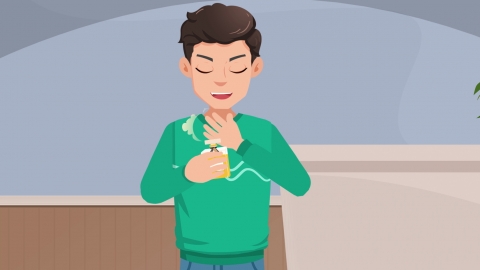
Harmful microorganisms introduced via contaminated water can disrupt the natural balance of gut microbiota, impairing normal digestion and breakdown of food. Undigested food residues ferment within the intestines, generating excessive gas that accumulates in the abdominal cavity—causing bloating and a sensation of abdominal fullness or tightness.
4. Low-Grade Fever
Once pathogenic bacteria enter the body, they proliferate and produce metabolic toxins. These toxins enter systemic circulation, activating the body’s immune defense mechanisms and inducing an inflammatory response—resulting in a mild but persistent elevation in body temperature (low-grade fever).
5. Dizziness and Fatigue
Frequent diarrhea and vomiting due to gastrointestinal distress lead to significant loss of fluids and electrolytes, impairing normal metabolic function. Concurrently, ongoing toxin exposure compromises overall physiological performance, manifesting as lethargy, dizziness, and generalized weakness.
In addition, consumption of contaminated water may also cause decreased appetite and mild sore throat. In daily life, always drink clean water that has been boiled; avoid raw or turbid water altogether. Cultivate healthy hydration habits, and seek timely medical attention if persistent symptoms arise.


