


What does it mean if the second line on a pregnancy test is faint at 35 days of gestation?

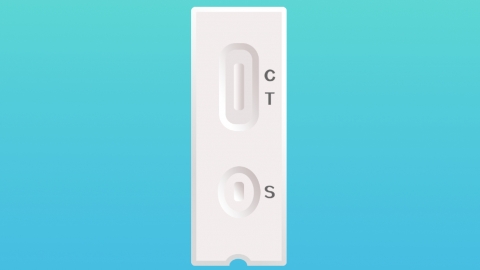
Under normal circumstances, a faint second line on a pregnancy test at 35 days of gestation may result from factors such as a relatively short time since conception, low urine hormone concentration, biochemical pregnancy, luteal phase insufficiency, or polycystic ovary syndrome (PCOS). If any discomfort symptoms arise, it is advisable to seek timely evaluation and treatment at a reputable hospital. A detailed analysis follows:
1. Short time since conception
The embryo has only recently implanted and undergone limited development; thus, human chorionic gonadotropin (hCG) levels in the body remain low, resulting in a faint test line. Repeat testing after three to five days is recommended. Maintain regular sleep-wake cycles and overall physical stability.
2. Low urine hormone concentration
Excessive fluid intake prior to testing dilutes urinary hCG concentration, leading to a faint test line. For optimal accuracy, use first-morning urine for testing and minimize fluid intake beforehand.
3. Biochemical pregnancy
The fertilized egg implants briefly but subsequently ceases development, preventing sustained elevation of hCG levels—resulting in only a faint test line, followed by declining hormone levels. As directed by a physician, medications such as Yi Mu Cao Granules, Xin Sheng Hua Granules, or Bao Gong Zhi Xue Granules may be prescribed to support recovery; rest is advised, and periodic ultrasound assessment of the uterine cavity is recommended.
4. Luteal phase insufficiency
Inadequate progesterone secretion by the corpus luteum fails to adequately support embryonic development, causing slow rises in pregnancy-related hormone levels and delayed intensification of the test line. Under medical guidance, medications such as dydrogesterone tablets, progesterone capsules, or Gu Shen An Tai Wan may be prescribed. Avoid overexertion and ensure sufficient sleep.
5. Polycystic ovary syndrome (PCOS)
Endocrine and metabolic disturbances associated with PCOS interfere with normal pregnancy hormone secretion, leading to delayed hCG elevation and weak test line visibility. As prescribed by a physician, medications such as ethinylestradiol–cyproterone acetate tablets, metformin hydrochloride tablets, or letrozole tablets may be used. Incorporate moderate physical activity and undergo regular hormonal monitoring.
In daily life, maintain regular作息 (sleep-wake cycles), avoid staying up late or excessive fatigue. Perform pregnancy testing using standardized methods and ensure optimal testing conditions. Early blood tests for pregnancy confirmation should be arranged promptly to monitor hCG doubling trends and assess embryonic development status in a timely manner.


