


What should I do if I have a low antral follicle count?
May 28, 2026
Source: Cainiu Health

Dr. Zhang Lu
Introduction
In general, a low antral follicle count may be caused by factors such as advancing age, chronic sleep deprivation, polycystic ovary syndrome (PCOS), premature ovarian insufficiency (POI), or hypothyroidism. Patients can improve their condition through lifestyle modifications, targeted pharmacotherapy, or surgical intervention, depending on the underlying cause. Specific recommendations are as follows: maintaining regular sleep-wake patterns and engaging in consistent physical activity.
Generally, a low antral follicle count (AFC) may result from factors such as advancing age, chronic sleep deprivation, polycystic ovary syndrome (PCOS), premature ovarian insufficiency (POI), or hypothyroidism. Patients can improve their condition through lifestyle modifications, targeted pharmacotherapy, or surgical intervention, depending on the underlying cause. A detailed analysis follows:
1. Advancing Age
As women age, ovarian reserve function naturally declines, leading to a physiological reduction in follicle count. Maintaining regular sleep-wake cycles, engaging in consistent moderate aerobic exercise, and consuming a balanced diet rich in high-quality protein and vitamins are recommended.
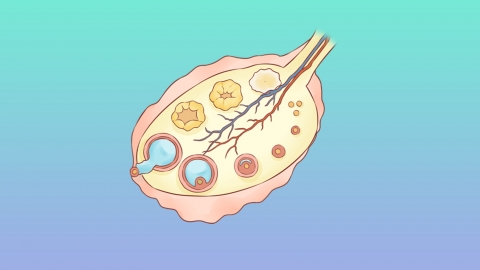
2. Chronic Sleep Deprivation
Prolonged insufficient sleep disrupts endocrine rhythms, impairing normal follicular development and ovarian reserve. Adopting a habit of going to bed early and waking up early, ensuring adequate daily sleep duration, and minimizing nighttime use of electronic devices are advised.
3. Polycystic Ovary Syndrome (PCOS)
Endocrine and metabolic abnormalities in PCOS hinder follicular development, preventing the formation of dominant follicles and resulting in a low baseline follicle count. Under medical supervision, medications such as ethinylestradiol–cyproterone acetate tablets, metformin extended-release tablets, or letrozole tablets may be prescribed. Additionally, weight management and a light, balanced diet are essential components of daily care.
4. Premature Ovarian Insufficiency (POI)
POI involves premature decline in ovarian function, causing rapid depletion of ovarian follicles and a sharp decrease in baseline follicle count. Treatment may include estradiol valerate tablets, progesterone soft capsules, or Kun Tai capsules, as prescribed by a physician. In severe cases, ovarian function restoration therapy may be required.
5. Hypothyroidism
Inadequate thyroid hormone secretion interferes with systemic metabolism and reproductive endocrine function, thereby suppressing follicular development. Under medical guidance, levothyroxine sodium tablets, thyroid tablets, or Yi Kang capsules may be prescribed, along with regular monitoring of thyroid function.
In daily life, maintaining regular sleep and exercise routines, cultivating emotional stability, following a nutritious and balanced diet to support ovarian health, undergoing routine ovarian function screening, and promptly addressing hormonal imbalances through timely intervention and management are all crucial.



