Does a 2-mm intrauterine adhesion affect pregnancy?
May 28, 2026
Source: Cainiu Health

Dr. Zhang Lu
Introduction
In general, whether a 2-mm intrauterine adhesion affects pregnancy depends primarily on the location of the adhesion and the presence or severity of symptoms—resulting in either normal conception or impaired fertility. If any discomfort or symptoms arise, prompt medical consultation is recommended. Maintain genital hygiene in daily life and avoid unhygienic sexual activity to reduce the risk of intrauterine infection.
Generally, whether a 2-mm intrauterine adhesion affects pregnancy depends primarily on the adhesion’s location and associated symptoms—resulting in either normal conception or impaired fertility. If any discomfort occurs, prompt medical consultation is recommended. A detailed analysis follows:
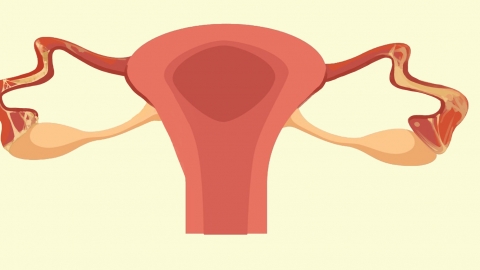
If the adhesion is located at the periphery of the uterine cavity—without obstructing the tubal ostia or the implantation site for the gestational sac—and if no abnormal menstrual bleeding or abdominal pain is present, natural conception is typically possible. Such minimal adhesions rarely interfere with sperm-egg union or hinder normal blastocyst implantation and development; the overall intrauterine environment remains conducive to conception.
Conversely, adhesions situated near the central cavity—or accompanied by symptoms such as reduced menstrual flow or dysmenorrhea—significantly decrease the likelihood of conception and may prevent successful pregnancy altogether. These adhesions cause localized narrowing of the uterine cavity and compromise endometrial blood supply, thereby impairing blastocyst implantation. Even if conception occurs, risks such as poor embryonic development or early miscarriage increase.
Maintain genital hygiene and avoid unprotected or unhygienic sexual activity to reduce the risk of intrauterine infection. Practice proper menstrual care: avoid cold or raw foods during menstruation and maintain stable endocrine function. Undergo routine gynecologic ultrasound examinations to monitor uterine cavity status, and seek timely medical evaluation and management for any abnormalities—thus optimizing the intrauterine environment for conception.