


Is a 3-mm fluid collection adjacent to the gestational sac serious?

Generally, whether a 3-mm fluid collection adjacent to the gestational sac is clinically significant depends on the presence or absence of accompanying symptoms. If any discomfort occurs, prompt medical evaluation is recommended. A detailed analysis follows:
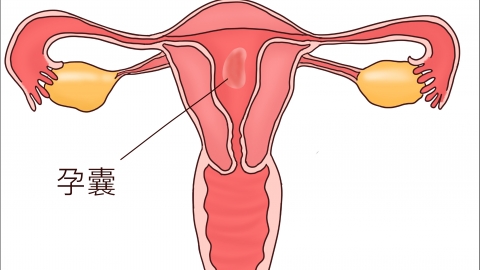
If no abnormal symptoms—such as abdominal pain or vaginal bleeding—are present, and embryonic development proceeds normally (with timely appearance of fetal pole and heartbeat), the fluid collection is most likely physiological, resulting from normal pregnancy-related serous exudation. It typically resolves spontaneously as gestation advances and does not interfere with normal embryonic development; therefore, stable monitoring suffices.
However, if persistent lower abdominal heaviness or pain, irregular vaginal bleeding, progressive enlargement of the fluid collection on follow-up ultrasound, or delayed embryonic growth are observed, closer attention is warranted. Such fluid collections are often associated with minimal intrauterine bleeding and may indicate a threatened miscarriage. In these cases, close clinical monitoring per physician guidance—and timely assessment of any bodily changes—is essential.
During pregnancy, prioritize adequate rest, minimize prolonged walking and physically demanding activities, and avoid vigorous or abrupt movements. Maintain a light, balanced diet to ensure sufficient nutrition, keep emotions calm and stable, adhere to scheduled prenatal examinations, and closely monitor any physical symptoms or changes.


