


Why did I lose 20 pounds after weaning?

Generally, a sudden weight loss of approximately 10 kg (22 lbs) after weaning may result from several factors, including cessation of lactation-related energy expenditure, normalization of diet and sleep patterns, hyperthyroidism, chronic gastroenteritis, or metabolic abnormalities associated with polycystic ovary syndrome (PCOS). If accompanying symptoms arise, prompt consultation at a reputable hospital is recommended for proper diagnosis and treatment. A detailed analysis follows:
1. Cessation of Lactation-Related Energy Expenditure
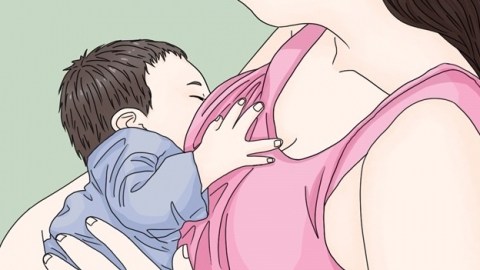
During lactation, the body expends substantial calories and nutrients to synthesize breast milk. After weaning, metabolic demand declines significantly, leading to rapid breakdown of excess adipose tissue and consequent weight loss. To maintain stable weight, adopt regular meal schedules, moderately increase protein intake, and incorporate light physical activity.
2. Restoration of Diet and Sleep Patterns
Irregular eating habits—such as frequent late-night snacking and inconsistent meal timing—during lactation may contribute to “false” weight gain (e.g., fluid retention or edema). Following weaning, return to regular作息 (sleep-wake cycles) and dietary routines reduces overall caloric intake, resulting in natural weight reduction. Maintain three balanced daily meals, ensure nutritional diversity, engage in routine physical activity, and avoid progressive or excessive weight loss.
3. Hyperthyroidism
Excessive thyroid hormone secretion accelerates basal metabolism, promoting rapid fat and calorie catabolism, thereby causing abrupt, significant weight loss. Treatment may include methimazole tablets, propylthiouracil tablets, or propranolol tablets, as prescribed by a physician, along with periodic monitoring of thyroid function tests.
4. Chronic Gastroenteritis
Chronic inflammation of the gastrointestinal mucosa impairs nutrient absorption, leading to malnutrition and rapid weight loss. Management may involve omeprazole enteric-coated capsules, triple-strain bifidobacterium capsules, and chewable aluminum magnesium carbonate tablets, per medical guidance. Additionally, adhere to a bland, non-irritating diet and strictly avoid spicy or stimulating foods.
5. Metabolic Dysfunction in Polycystic Ovary Syndrome (PCOS)
Endocrine dysregulation in PCOS disrupts systemic metabolism, impairing normal fat breakdown and nutrient absorption—potentially triggering sudden weight loss post-weaning. Pharmacologic interventions may include metformin tablets, ethinylestradiol–cyproterone acetate tablets, or orlistat capsules, under physician supervision. In cases of severe metabolic dysfunction, laparoscopic ovarian drilling may be considered.
In daily life, maintain regular mealtimes and ensure balanced nutrition; engage in moderate, consistent physical activity to support healthy metabolic regulation; uphold regular sleep-wake cycles and avoid chronic sleep deprivation; and undergo routine screening for endocrine, gastrointestinal, and thyroid disorders to detect and address potential underlying abnormalities early.


