


What does “Stage 3 chronic kidney disease (CKD)” mean?

Generally, Stage 3 chronic kidney disease (CKD), also known as moderate chronic renal insufficiency, represents the intermediate stage of CKD, indicating a moderate impairment of the kidneys’ filtration and metabolic functions. If any discomfort or symptoms arise, prompt medical consultation is strongly recommended. A detailed explanation follows:
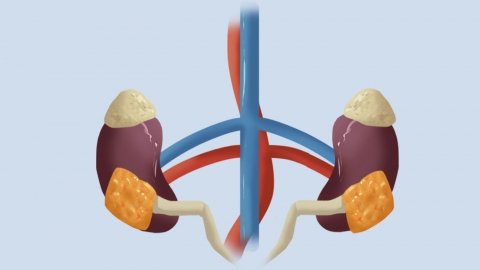
In clinical practice, CKD staging is based on the estimated glomerular filtration rate (eGFR). During Stage 3, eGFR ranges between 30–59 mL/min/1.73 m², reflecting a significant reduction in the kidneys’ ability to effectively eliminate toxins, regulate fluid balance, and maintain electrolyte homeostasis. This stage commonly results from long-standing conditions such as hypertension, diabetes mellitus, chronic glomerulonephritis, or recurrent urinary tract injury—conditions that cause progressive, cumulative damage to renal parenchymal cells, ultimately leading to irreversible fibrosis and functional decline. Most patients at this stage remain asymptomatic or experience only mild, nonspecific symptoms—including occasional fatigue, subtle peripheral edema, dull lower back pain, or increased nocturia—which are frequently overlooked.
Stage 3 CKD represents a critical therapeutic window: timely, appropriate intervention can significantly slow disease progression and help prevent advancement to end-stage renal disease (ESRD) or kidney failure.
Regular follow-up testing—including serum creatinine, eGFR, urinalysis, and serum electrolytes—is essential to monitor disease trajectory. Strict control of blood pressure and blood glucose levels is paramount. Patients should avoid sleep deprivation and excessive physical exertion. Self-medication—including herbal remedies and over-the-counter analgesics—is strictly prohibited; all medications must be prescribed and supervised by a qualified physician to minimize further nephrotoxicity.


