


Are the left kidney (91 × 41 mm) and right kidney (95 × 45 mm) sizes normal?
May 29, 2026
Source: Cainiu Health

Dr. Yang Guang
Introduction
In general, left kidney dimensions of 91 × 41 mm and right kidney dimensions of 95 × 45 mm may fall within the normal range; however, whether these measurements are truly normal depends on the specific imaging findings and individual clinical context. If you experience any discomfort or symptoms, prompt medical evaluation is recommended. In daily life, maintain a regular hydration habit—drink water at consistent intervals to support the body’s metabolic waste elimination. Additionally, limit intake of high-salt and high-fat foods.
Under normal circumstances, whether kidney dimensions of 91 × 41 mm (left kidney) and 95 × 45 mm (right kidney) are considered normal depends on the specific imaging findings and individual clinical context. If any symptoms arise, prompt medical evaluation is recommended. A detailed analysis follows:
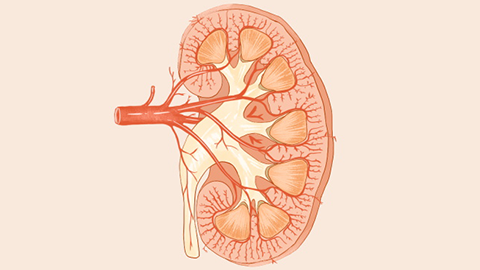
If imaging reveals only that kidney size falls within this range—accompanied by intact renal morphology and architecture, uniform cortical thickness, no calyceal or pelvic separation in the collecting system, all renal function parameters within normal reference ranges, and absence of symptoms such as low-back soreness, fatigue, or urinary abnormalities—this represents a normal physiological state. In some individuals with slender or petite body frames, kidney dimensions may be slightly smaller than standard reference values; this reflects normal inter-individual anatomical variation and does not impair renal metabolic or filtration function.
Conversely, if these measurements are associated with imaging abnormalities—including cortical thinning, heterogeneous echogenicity, or collecting system separation—or if renal function tests show abnormal fluctuations, or if symptoms such as low-back discomfort or heaviness, frequent urination, or foamy urine are present, this indicates an abnormal condition. Such findings often suggest mild renal injury or metabolic dysfunction, warranting further investigation to identify underlying causes and timely intervention to prevent progressive renal damage.
In daily life, maintaining regular hydration habits—drinking water at consistent intervals—helps promote efficient elimination of metabolic waste. Reducing intake of high-salt and high-fat foods lessens the metabolic burden on the kidneys. Engaging in moderate physical activity and sustaining overall good health, along with routine renal assessments, enables ongoing monitoring of kidney health.



