


What progesterone and estradiol levels indicate ovulation?
Jun 03, 2026
Source: Cainiu Health

Dr. Zhang Lu
Introduction
Under normal circumstances, progesterone levels rise to >3 ng/mL after ovulation, while estradiol peaks at 200–300 pg/mL just before ovulation, then dips briefly and rises again post-ovulation. Adjust your daily routine according to these hormonal fluctuations: include soy products and fresh fruits and vegetables in all three daily meals, and maintain regular sleep–wake cycles—avoid staying up late. During the preconception period, engage in moderate outdoor physical activity.
Under normal circumstances, progesterone levels rise to >3 ng/mL after ovulation, while estradiol peaks at 200–300 pg/mL just before ovulation, followed by a brief decline and subsequent rebound post-ovulation. A detailed analysis is provided below:
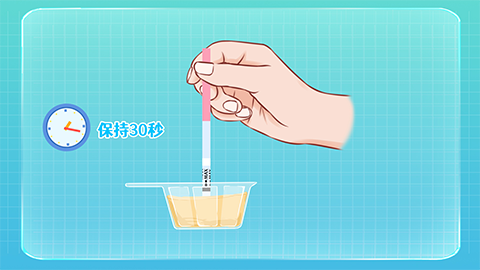
After ovulation, the ovarian corpus luteum gradually forms, causing progesterone levels to rise rapidly. Estradiol, having peaked prior to ovulation, experiences a slight decline thereafter. A progesterone level exceeding 3 ng/mL—combined with a corresponding drop in estradiol from its peak—typically indicates that ovulation has been completed. During the follicular development phase, rising estradiol levels support follicular maturation. Following follicular rupture and oocyte release, the residual follicular tissue transforms into the corpus luteum, which secretes progesterone continuously, resulting in a steady increase in serum progesterone concentration. Hormonal fluctuations follow the physiological patterns of follicular development; therefore, interpretation based on a single value alone is insufficient. Concordant changes in both progesterone and estradiol provide more reliable clinical insight. Individual variations in endocrine profiles mean baseline hormone levels differ among women; thus, test results must be interpreted in conjunction with each woman’s unique menstrual cycle.
To support hormonal balance, adjust daily routines according to hormonal patterns: include soy-based foods and fresh fruits and vegetables in all three daily meals, and maintain regular sleep–wake cycles—avoiding late-night activities. During preconception, engage in moderate outdoor exercise to stabilize endocrine function. Pay close attention to subtle bodily changes before and after menstruation, and seek medical evaluation—including repeat laboratory testing—if menstrual irregularities occur frequently.



