


What is the likelihood of a complete medical abortion within 70 days?

Generally, medical abortion is not recommended at 70 days of gestation, as the success rate typically declines to 70–80%. Medication must be administered strictly under a physician’s prescription. A detailed explanation follows:
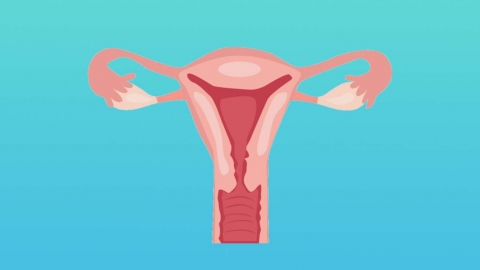
During early pregnancy, the gestational sac is relatively small, allowing medications to effectively induce its expulsion. However, by day 70 of gestation, the gestational sac and associated tissues have grown significantly larger, and the volume of implanted tissue within the uterine cavity has increased substantially. Consequently, medications may fail to completely detach all intrauterine pregnancy tissue, increasing the risk of retained products of conception. As gestational age advances, the uterine decidua thickens, diminishing the uterus’s responsiveness to abortifacient drugs and thereby reducing the overall success rate of medical abortion. Retained tissue can lead to complications such as intrauterine bleeding, abdominal pain, and potentially intrauterine infection—impairing uterine recovery.
Individuals with advanced gestational age should follow their physician’s guidance in selecting an appropriate method for pregnancy termination. After the procedure, adequate rest is essential; physical exertion and strenuous activity should be avoided. Maintain external genital hygiene, change sanitary products frequently, and prevent bacterial growth. Diet should emphasize mild, nourishing, and easily digestible foods, with emphasis on high-quality protein intake to support uterine healing. Closely monitor your physical condition; if persistent vaginal bleeding or worsening abdominal pain occurs, seek prompt medical evaluation and treatment at a hospital.


