


Why does my abdomen feel like menstruation is about to start, but my period hasn’t arrived?

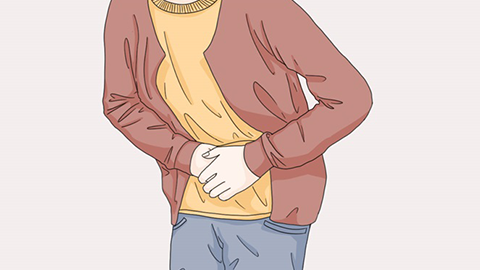
Generally, experiencing abdominal discomfort similar to menstrual cramps without actual menstruation may result from normal premenstrual changes, excessive physical fatigue, pelvic inflammatory disease (PID), polycystic ovary syndrome (PCOS), or ovarian cysts. If such symptoms persist or cause distress, it is advisable to seek timely evaluation and treatment at a reputable hospital. A detailed analysis follows:
1. Normal Premenstrual Response
Before menstruation begins, mild pelvic congestion occurs and the uterus prepares for contraction, which may trigger a sensation of heaviness or dull pressure resembling menstrual discomfort. A temporary delay in menstruation is often within the range of normal physiological variation. Maintaining abdominal warmth, adhering to regular sleep-wake cycles, and allowing time for natural menstruation onset are usually sufficient.
2. Excessive Physical Fatigue
Chronic sleep deprivation and prolonged high-intensity labor can disrupt endocrine rhythms, impairing normal endometrial shedding and leading to abdominal heaviness or pressure without menstrual flow. Adequate rest, reduced physical exertion, and emotional stability support gradual restoration of endocrine balance.
3. Pelvic Inflammatory Disease (PID)
Infection of the pelvic organs by pathogens causes inflammatory congestion, resulting in persistent lower abdominal pain mimicking menstrual cramps. Concurrently, inflammation interferes with endometrial shedding, causing menstrual delay. Treatment may include oral antibiotics prescribed by a physician—such as levofloxacin tablets, ornidazole tablets, or azithromycin dispersible tablets—along with strict perineal hygiene and abstinence from sexual activity until resolution.
4. Polycystic Ovary Syndrome (PCOS)
Endocrine and metabolic disturbances in PCOS impair follicular development, leading to menstrual irregularities and delayed periods. Hormonal fluctuations may also provoke uterine discomfort resembling menstrual pain. Management may involve physician-guided use of combined oral contraceptives (e.g., ethinylestradiol/cyproterone acetate tablets), metformin hydrochloride tablets, or progesterone capsules. Additionally, regular moderate exercise and a light, balanced diet are recommended.
5. Ovarian Cysts
Ovarian cysts can compress surrounding pelvic structures, producing a sensation of lower abdominal heaviness or pressure, while simultaneously disrupting normal ovulation and contributing to menstrual delay. Pharmacological management under medical supervision may include Guizhi Fuling Capsules, Hongjin Xiaojie Tablets, or Sanjie Zhen Tong Capsules. For larger or symptomatic cysts, laparoscopic ovarian cystectomy may be indicated.
In daily life, maintaining regular sleep and dietary habits, avoiding chronic sleep deprivation and overexertion, and ensuring adequate abdominal warmth before and during menstruation are essential. Routine gynecological screening helps detect pelvic or ovarian abnormalities early. Persistent or worsening symptoms warrant prompt medical evaluation and intervention.


