


Can the sensation of rectal pressure and pain resolve after hysterectomy?

Generally, whether the sensation of rectal pressure or heaviness (tenesmus) resolves after hysterectomy depends on the underlying cause. If discomfort occurs, prompt medical consultation is recommended. A detailed analysis follows:
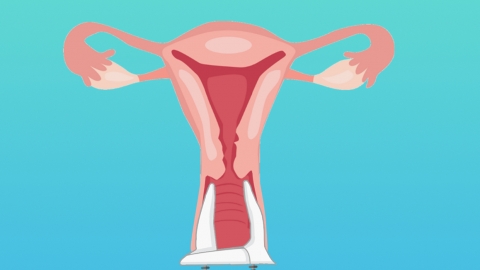
Short-term postoperative pelvic congestion and mild edema of the pelvic floor tissues may cause transient rectal pressure or heaviness, which typically resolves spontaneously. During surgery, pelvic tissues experience minor mechanical stimulation, and postoperative localized circulatory impairment can lead to temporary edema and a sensation of pelvic fullness or pressure. As the body gradually recovers, pelvic venous congestion dissipates and pelvic floor edema subsides; combined with natural tissue repair mechanisms, this transient sensation of pressure usually diminishes progressively and ultimately disappears.
Conversely, persistent rectal pressure or heaviness resulting from permanent injury to the pelvic floor musculature or postoperative pelvic adhesions is unlikely to resolve completely. Following hysterectomy, structural support of the pelvic floor is compromised. Adhesions exert continuous traction on surrounding tissues, causing chronic compression of the rectum and anus—leading to persistent pressure or heaviness that cannot be fully alleviated through natural healing alone.
After surgery, avoid prolonged standing, sitting, or squatting, and minimize activities that increase intra-abdominal pressure. Maintain regular, effortless bowel movements and prevent constipation to reduce pelvic pressure. Perform gentle pelvic floor relaxation exercises to promote local blood circulation. Adopt consistent sleep-wake patterns and avoid excessive fatigue to help maintain pelvic tissue stability and alleviate pressure-related discomfort.


