


Can fetal arrest occur without any apparent cause?

Under normal circumstances, fetal demise does not occur without cause; if any discomfort or concerning symptoms arise, prompt medical consultation is strongly advised. A detailed analysis follows:
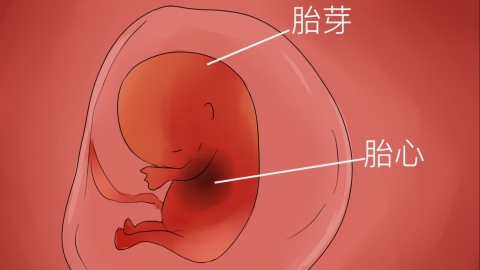
Fetal demise never occurs spontaneously without an underlying cause—each instance of embryonic developmental arrest corresponds to a specific physiological trigger. Most early pregnancy losses are associated with chromosomal abnormalities in the embryo itself; genetic defects impair normal growth and cellular differentiation, leading inevitably to spontaneous cessation of development. Maternal factors—including luteal phase insufficiency, abnormal uterine cavity conditions, and endocrine imbalances—disrupt the intrauterine environment essential for embryonic development, thereby depriving the embryo of adequate physiological support. Prolonged sleep deprivation, excessive physical exertion, severe infections, or a hypercoagulable state during pregnancy may also compromise placental blood flow and oxygen delivery to the embryo, hindering its continued development. Ultimately, all cases of fetal demise result from the cumulative impact of maternal physiological dysfunction, embryonic developmental defects, and/or adverse external factors.
During pregnancy, maintaining a regular and stable daily routine is crucial—chronic sleep deprivation and excessive fatigue must be avoided. Meals should be nutritionally balanced to ensure adequate intake of essential nutrients, supporting normal metabolic function and endocrine stability. Pregnant individuals should avoid exposure to harmful environments and irritants, and adhere strictly to scheduled prenatal examinations to monitor embryonic development closely and mitigate potential risks at the earliest possible stage.


