


What does it mean when the kidneys become smaller?

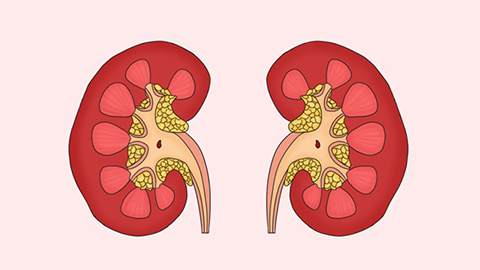
Generally, kidney shrinkage may indicate physiological renal atrophy, long-term hypertensive nephropathy, chronic glomerulonephritis, renal artery stenosis, or chronic pyelonephritis. If reduced kidney size is detected, prompt evaluation at a reputable hospital is recommended. A detailed analysis follows:
1. Physiological Renal Atrophy
As the human body ages, organ function naturally declines. The number of renal cells gradually decreases, resulting in mild reduction in kidney size. This is a normal part of aging and typically causes no noticeable symptoms.
2. Long-Term Hypertensive Nephropathy
Prolonged elevated blood pressure continuously damages the small renal vessels, leading to renal vascular sclerosis and reduced blood supply. Over time, renal tissue undergoes progressive atrophy, resulting in decreased kidney volume. Common accompanying features include blood pressure fluctuations and mild periorbital edema upon waking.
3. Chronic Glomerulonephritis
Chronic inflammation within the glomeruli persistently damages nephrons, causing renal fibrosis and sclerosis. As functional renal tissue progressively diminishes, overall kidney size decreases. Typical manifestations include increased urinary foam and mild peripheral edema.
4. Renal Artery Stenosis
Narrowing of the renal artery reduces renal perfusion, placing the kidney in a prolonged state of ischemia and hypoxia. Gradual renal cell atrophy and apoptosis ensue, ultimately leading to reduced kidney volume. Symptoms may include dull low-back discomfort and refractory hypertension.
5. Chronic Pyelonephritis
Recurrent urinary tract infections may extend to the renal pelvis. Persistent chronic inflammation damages both the renal pelvis and parenchyma, resulting in renal scarring and tissue contraction—eventually causing kidney shrinkage. Common associated symptoms include recurrent dull low-back pain and urinary frequency.
In daily life, maintain a low-salt, low-fat diet to stabilize blood pressure and lipid levels, thereby reducing the burden on renal vasculature. Develop habits of regular hydration and avoid urine retention to prevent recurrent urinary tract infections. Additionally, adhere to routine renal ultrasound and renal function testing to enable early detection and intervention for any abnormal renal changes.


