


What should I do about dialysis during quarantine?

Under normal circumstances, dialysis during isolation can be managed through coordinated efforts with the community for dialysis scheduling, standardized home-based dietary control, proper care of the dialysis access site, regular monitoring of physiological parameters, and adjustment of daily routines. If any discomfort or symptoms arise, patients should promptly contact healthcare professionals for evaluation and management. A detailed breakdown follows:
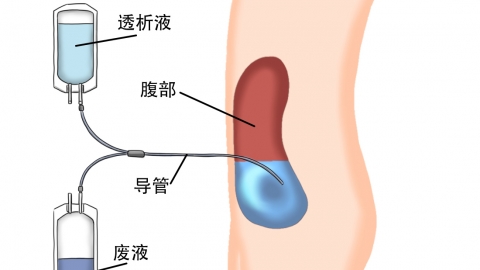
1. Notify the Community to Coordinate Dialysis
Dialysis is an essential, life-sustaining treatment for patients with kidney disease; however, isolation measures restrict travel for medical care. Patients should proactively inform their local community authorities and epidemic prevention task forces about their dialysis needs. Staff members can then coordinate with designated dialysis centers and facilitate expedited access to medical services—ensuring uninterrupted dialysis treatment.
2. Implement Standardized Home-Based Dietary Control
Patients undergoing dialysis often have impaired metabolic function. Inappropriate dietary choices during isolation may further burden the kidneys. Strictly regulate intake of fluids, sodium, potassium, and phosphorus. Limit consumption of high-water-content fruits, pickled foods, and nuts. Consume high-quality protein according to individual requirements to maintain metabolic balance.
3. Maintain Proper Care of the Dialysis Access Site
The dialysis access site (e.g., arteriovenous fistula, graft, or catheter) is critical for effective treatment. Inadequate home-based care during isolation increases risks of infection or thrombosis. Clean the skin surrounding the access site daily; avoid pressure, water exposure, or trauma to the puncture site; refrain from vigorous physical activity that could pull or strain the access site; and keep the area dry and clean.
4. Regularly Monitor Physiological Parameters
During isolation, timely access to medical facilities is limited, making it difficult to detect subtle fluctuations in health status. Measure blood pressure and heart rate at fixed times daily; record weight changes; monitor for signs and symptoms such as edema, dizziness, or fatigue; and promptly share all recorded data with the attending physician.
5. Adjust Daily Routines and Sleep-Wake Patterns
Disrupted sleep-wake cycles and excessive fatigue may compromise dialysis efficacy and exacerbate physical discomfort. Maintain a consistent schedule—going to bed early and rising early—reduce overall physical activity, avoid staying up late, prolonged sitting, or extended bed rest, and strive to stabilize physiological function to lower the risk of complications.
During isolation, strict adherence to both public health guidelines and medical recommendations is essential. Continue scheduled dialysis treatments consistently, uphold personal hygiene standards, and diligently monitor your health status. Manage diet and daily routines appropriately, and immediately contact healthcare providers upon noticing any abnormal symptoms—to ensure stable physical condition throughout the isolation period.


