


Can one dialysis session normalize high potassium levels?

Generally, whether a single hemodialysis session can normalize elevated serum potassium levels depends on the specific potassium value and the presence or absence of complications. If you experience any discomfort, seek medical attention promptly. A detailed analysis follows:
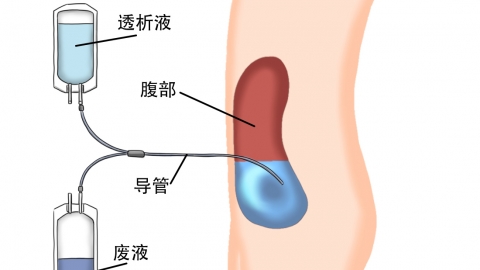
When serum potassium is only mildly elevated and no underlying complications are present, a single dialysis session may suffice to restore potassium levels to the normal range. In cases of mild hyperkalemia caused solely by inappropriate dietary intake or transient metabolic disturbances, excess potassium remains confined to the bloodstream; therefore, dialysis can rapidly remove the surplus potassium ions from the blood, allowing serum potassium levels to stabilize after one session.
However, when serum potassium is severely elevated or coexists with underlying medical conditions, a single dialysis session is insufficient to normalize potassium levels. In patients with severe renal impairment, substantial systemic potassium accumulation, or ongoing intracellular-to-extracellular potassium shifts, dialysis removes only a portion of the potassium present in the bloodstream. Subsequently, potassium continues to be released from intracellular stores, leading to recurrent elevations in serum potassium levels.
Once serum potassium levels have stabilized, long-term maintenance of healthy lifestyle habits is essential to sustain overall physiological stability. This includes strict daily control of high-potassium food intake, consistent adherence to prescribed dialysis schedules, adequate hydration to support stable metabolism, and regular monitoring of serum potassium levels to minimize fluctuations in laboratory parameters.


