


What is the normal percentage ratio of split renal function between the two kidneys?

Under normal circumstances, the split renal function ratio between the two kidneys—i.e., the functional contribution of each kidney—falls within the range of 45%–55%. If you experience any discomfort or symptoms, prompt medical consultation is recommended. A detailed explanation follows:
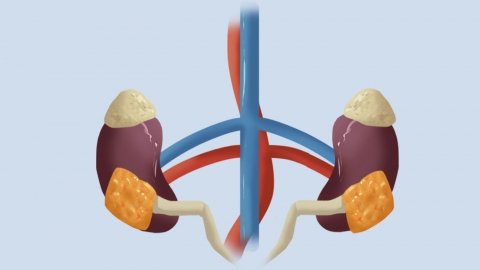
The left and right kidneys jointly perform essential physiological functions, including metabolism, blood filtration, and waste excretion. In a healthy state, both kidneys operate in balanced, symmetrical harmony. A split renal function ratio maintained between 45% and 55% indicates that the filtration and excretory capacities of the two kidneys are roughly equivalent, enabling them to cooperatively regulate fluid balance, eliminate toxins, and clear metabolic waste from the body. Values outside this range suggest either hyperfunction or hypofunction of one kidney, reflecting abnormal compensatory mechanisms and disruption of metabolic homeostasis—potentially leading to complications such as fluid retention and toxin accumulation. This 45%–55% range thus serves as a key clinical indicator for assessing bilateral renal functional symmetry and overall metabolic stability.
Daily lifestyle habits can help maintain normal renal function and preserve this balanced functional ratio. Ensure adequate daily water intake to support the kidneys’ natural waste-elimination processes. Adopt a light, low-sodium diet to minimize renal metabolic load. Maintain regular sleep–wake cycles and avoid chronic sleep deprivation to sustain optimal renal circadian rhythm. Complement these practices with moderate physical activity to enhance systemic blood circulation and qi (vital energy) flow; consistent adherence to these habits offers effective long-term protection for bilateral renal function.


