


What Causes Strong-Smelling Alkaline Urine?

Under normal circumstances, a strong ammonia-like odor in urine may result from insufficient water intake, a high-protein diet, urethritis, cystitis, or pyelonephritis. If associated discomfort occurs, prompt consultation and treatment at a reputable hospital are recommended. A detailed analysis follows:
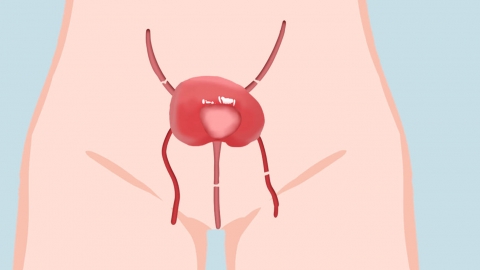
1. Insufficient Water Intake
Inadequate fluid intake leads to concentrated urine, increasing the concentration of metabolic waste products—such as urea and uric acid—in the urine. This promotes precipitation of urinary alkaline salts and intensifies the ammonia-like odor. Increasing daily intake of warm water to ensure adequate hydration helps promote urine excretion and alleviate this issue.
2. High-Protein Diet
Long-term excessive consumption of high-protein foods (e.g., meat and eggs) increases nitrogenous waste production from protein metabolism. When excreted in urine, these metabolites exacerbate the ammonia-like odor. Adjusting dietary patterns—balancing animal and plant-based foods, reducing excessive high-protein intake, and increasing consumption of fresh fruits and vegetables—is advised.
3. Urethritis
Mild bacterial infection of the urethra causes inflammation, altering urine composition and increasing impurities, thereby intensifying the ammonia-like odor. Mild urinary frequency is often present. Treatment may include levofloxacin tablets, amoxicillin capsules, or enteric-coated nitrofurantoin tablets, as prescribed by a physician. Maintaining proper perineal hygiene is also essential.
4. Cystitis
Inflammation of the bladder mucosa results in inflammatory secretions mixing with urine, which decompose organic components in urine and intensify the pungent ammonia-like odor. Symptoms commonly include urinary urgency and cloudy urine. Treatment options—under medical supervision—include cefuroxime axetil tablets, norfloxacin capsules, or fosfomycin tromethamine powder. For persistent or refractory cases, bladder irrigation may be added.
5. Pyelonephritis
Infection involving the renal pelvis impairs kidney function and metabolic processes, leading to accumulation of toxins and inflammatory substances in urine and resulting in a markedly strong ammonia-like odor. Associated symptoms often include low back pain and fever. Antibiotic therapy—under physician guidance—may include cefdinir capsules, azithromycin dispersible tablets, or tobramycin injection. In recurrent cases, surgical intervention such as pyelolysis (adhesiolysis of the renal pelvis) may be required.
In daily life, maintain regular hydration habits and a balanced diet; practice good hygiene of the genitourinary area to prevent bacterial proliferation; and seek timely medical evaluation for abnormal urinary symptoms—including increased urinary frequency or unusual urine odor—to prevent progression of urinary tract infections.


