


What Causes Flaky or Cloudy Sediment in a Woman’s Urine?

Generally, the presence of flocculent (cloudy,絮状) material in a woman’s urine may result from urine concentration, vaginal discharge mixing into the urine, urethritis, cystitis, or ureteritis. If associated discomfort occurs, prompt evaluation and treatment at a reputable hospital are recommended. A detailed analysis follows:
1. Urine Concentration
Insufficient fluid intake or excessive sweating can lead to concentrated urine, causing salts and metabolic waste products to precipitate and aggregate, forming fine, suspended flocculent particles. Increasing daily intake of warm water, urinating regularly, and maintaining adequate hydration typically resolve this issue.
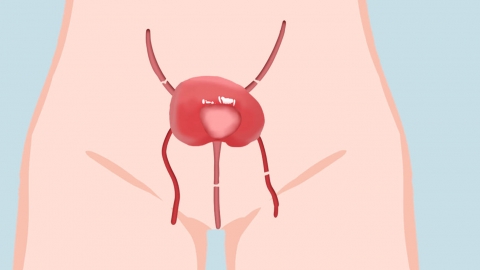
2. Vaginal Discharge Mixing into Urine
The female urethral opening lies in close proximity to the vagina; thus, small amounts of vaginal discharge or secretions may inadvertently mix into the urine during voiding, producing visible flocculent material. Prior to urination, cleansing the external genitalia and clearing secretions around the vaginal opening helps maintain external genital dryness and cleanliness.
3. Urethritis
Bacterial invasion of the urethral mucosa causes mucosal congestion and desquamation. Shed epithelial cells and inflammatory exudates enter the urine, resulting in flocculent debris—often accompanied by urinary frequency. Treatment may include roxithromycin dispersible tablets, ciprofloxacin tablets, or compound sulfamethoxazole tablets, as prescribed. Maintaining proper perineal hygiene is also essential.
4. Cystitis
Infection-induced inflammation of the bladder mucosa leads to necrosis and sloughing of tissue, which mixes with purulent material in the urine—exacerbating flocculent appearance—and commonly presents with urinary urgency and cloudy urine. Antibiotics such as clarithromycin capsules, enoxacin tablets, or minocycline capsules may be prescribed. Frequent laundering of undergarments is advised.
5. Ureteritis
Inflammatory changes in the ureteral mucosa cause erosion and desquamation, allowing inflammatory substances to be excreted with urine—resulting in more pronounced flocculent material—and may be associated with dull flank pain. Treatment may include levofloxacin capsules, cefaclor capsules, or azithromycin tablets, as directed. In refractory cases, surgical intervention—such as ureteral mucosal repair—may be required.
In daily life, develop habits of proactive hydration and scheduled urination; maintain thorough external genital hygiene and ensure the perineal area remains dry and well-ventilated; avoid prolonged sitting and urinary retention to reduce the risk of urinary tract infections; and seek timely medical evaluation if abnormal urine characteristics arise.


