


Can you eat prunes after a miscarriage?

Under normal circumstances, prunes can be consumed after a miscarriage, provided they are eaten in moderation. A detailed analysis follows:
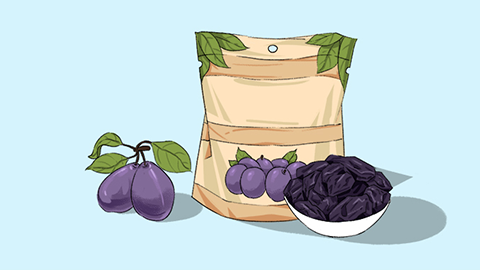
Following a miscarriage, the body is generally weakened, and gastrointestinal digestive function may be temporarily reduced. Consuming prunes in moderation can support post-miscarriage recovery. Prunes have a pleasantly sweet-and-sour flavor that can help improve appetite loss and bland taste perception commonly experienced by women after miscarriage, thereby encouraging increased food intake and supporting nutritional replenishment. Prunes are rich in vitamins, dietary fiber, and various minerals—nutrients essential for daily recovery. The dietary fiber they contain promotes intestinal motility and accelerates intestinal metabolism, effectively preventing constipation—a common issue during bed rest due to reduced physical activity. Prunes are considered mild in nature; when consumed in appropriate amounts, they do not irritate uterine cavity healing nor trigger adverse symptoms such as abdominal pain or increased vaginal bleeding. When eating prunes, choose fresh ones—not chilled or refrigerated—and avoid excessive intake at one time to prevent overburdening the gastrointestinal system.
During the post-miscarriage recovery period, the diet should emphasize mildness, lightness, and balanced nutrition, with ample intake of high-quality protein and fresh fruits and vegetables. Ensure sufficient rest, minimize walking and physical exertion, keep the abdomen warm, strictly avoid raw, cold, or spicy foods, maintain external genital hygiene, closely monitor bodily changes, and seek prompt medical evaluation if any abnormalities arise.


