


Why Don’t Cesarean Delivery Surgeons Suture the Rectus Abdominis Muscle?

Under normal circumstances, rectus abdominis muscles are not sutured during cesarean delivery. The core reasons include: absence of surgical transection or injury to the rectus abdominis, strong intrinsic capacity for self-repair, increased surgical risks associated with additional suturing, prolonged postoperative recovery, and lack of clinical necessity for routine suturing. A detailed analysis follows:
1. No surgical transection or injury to the rectus abdominis
In standard cesarean delivery, the rectus abdominis muscle fibers are not incised; instead, the inter-rectus space is gently separated by blunt dissection to expose the uterus. The muscle tissue remains intact and continuous, with no disruption or laceration requiring structural repair via suturing.
2. Intrinsic capacity for self-repair
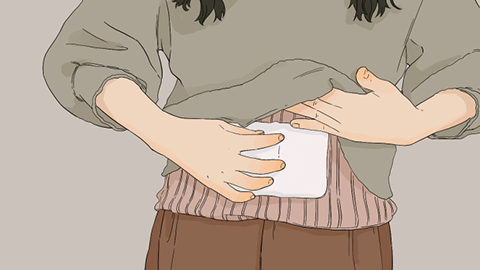
Diastasis recti occurring during pregnancy—caused by hormonal changes and uterine expansion—is a physiological stretching phenomenon. After delivery, as the uterus gradually contracts and returns to its pre-pregnancy size and intra-abdominal pressure progressively declines, the rectus abdominis can naturally recoil and approximate through its inherent elasticity. With basic rehabilitation exercises, the muscle typically regains its pre-pregnancy configuration over time.
3. Additional suturing increases surgical risks
The rectus abdominis region has a rich vascular supply; blind or unnecessary suturing may irritate the muscle tissue, causing oozing or bleeding and increasing the risk of subcutaneous hematoma formation. Suturing also introduces mechanical traction injury to surrounding tissues, raising the likelihood of postoperative abdominal adhesions and localized infection—both of which impede optimal abdominal wall healing.
4. Additional suturing prolongs postoperative recovery
Suturing the rectus abdominis increases the number of tissue wounds in the abdominal wall, intensifying postoperative traction-related pain. Increased local tissue healing burden delays early ambulation and restoration of core musculature function, thereby extending overall postpartum recovery duration.
5. Routine suturing lacks clinical indication
Clinically, only the incised linea alba, fascia, subcutaneous tissue, and skin layers require closure to achieve complete abdominal wall wound approximation. Most postpartum women exhibit only mild diastasis recti, requiring no medical intervention. Targeted repair suturing is reserved exclusively for cases of severe diastasis or other abnormal abdominal wall conditions.
Additionally, standardized diaphragmatic breathing and core-strengthening exercises postpartum can facilitate rectus abdominis realignment. Under professional medical guidance, women may initiate individualized rehabilitation programs based on their specific recovery progress to optimize abdominal wall function and integrity.


