


What Are the Risks of Thickened Endometrium After Childbirth?

Generally, excessive postpartum endometrial thickness poses several health risks, including abnormal postpartum bleeding, increased incidence of intrauterine infection, menstrual cycle disturbances, impaired postpartum fertility, and abdominal discomfort. If any symptoms arise, prompt consultation and treatment at a reputable hospital are recommended. A detailed analysis follows:
1. Abnormal Postpartum Bleeding
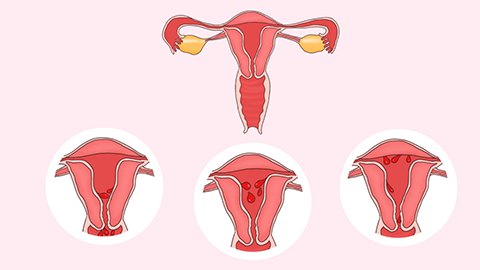
Endometrial thickness exceeding normal limits may result in irregular endometrial shedding, impairing effective uterine contraction and hemostasis. This significantly prolongs the duration of lochia discharge and may cause intermittent, persistent spotting. Some individuals may experience sudden increases in bleeding volume, which hinders proper healing of the uterine wound.
2. Increased Risk of Intrauterine Infection
Excessively thickened endometrium may lead to accumulation of residual tissue within the uterine cavity, fostering bacterial proliferation. The persistently moist and contaminated intrauterine environment elevates the risk of gynecological infections such as endometritis and pelvic inflammatory disease, thereby exacerbating the body’s postpartum inflammatory burden.
3. Menstrual Cycle Disturbances
Persistent abnormal endometrial thickness disrupts hormonal regulation between the ovaries and uterus postpartum. This may delay menarche resumption and, following its return, commonly manifest as prolonged menstruation, unpredictable menstrual flow (excessive or scanty), and irregular cycles.
4. Impaired Postpartum Fertility
Endometrial thickness imbalance compromises the optimal intrauterine environment required for embryo implantation. Endometrial hyperplasia and hypertrophy hinder successful implantation of the fertilized ovum. For women attempting conception shortly after delivery, this condition increases difficulty conceiving and raises the risk of adverse pregnancy outcomes due to unstable implantation.
5. Abdominal Discomfort
Abnormally thickened endometrium continuously stimulates uterine smooth muscle, triggering frequent uterine contractions. Postpartum women may repeatedly experience lower abdominal heaviness, dull pain, or other discomforts; these symptoms often worsen with physical exertion or irregular sleep patterns.
Postpartum follow-up should include regular transvaginal ultrasound examinations to monitor endometrial thickness changes. Daily self-care measures include ensuring adequate rest, avoiding excessive fatigue, maintaining a light and nutritionally balanced diet, and minimizing intake of spicy or irritating foods. Close attention should be paid to lochia characteristics and subsequent menstrual patterns; any abnormalities warrant timely medical evaluation and intervention to support optimal uterine recovery.


