Does left-sided abdominal pain indicate pregnancy?
Jun 15, 2026
Source: Cainiu Health

Dr. Zhang Lu
Introduction
In general, left lower abdominal pain is not necessarily indicative of pregnancy; diagnosis should be based on additional signs such as amenorrhea. If discomfort occurs, prompt medical evaluation is recommended. When experiencing left lower abdominal pain, keep the abdomen warm and comfortable, avoid cold, raw, or spicy foods, and ensure adequate rest. Avoid strenuous activities—such as running or jumping—that may strain the abdominal area. Persistent or recurrent abdominal pain warrants timely medical evaluation.
Generally, left lower abdominal pain is not necessarily indicative of pregnancy and must be evaluated in conjunction with other signs—such as amenorrhea—to reach a diagnosis. If discomfort or symptoms arise, prompt medical consultation is recommended. A detailed analysis follows:
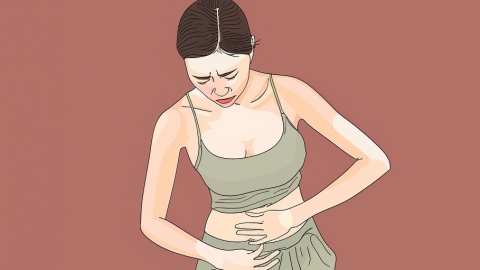
In women of childbearing age, after the onset of amenorrhea, rising hormone levels—particularly following implantation of a fertilized egg in the left uterine cavity—may cause mild uterine traction pain. Early in pregnancy, slight uterine enlargement may stretch the left pelvic ligaments, resulting in mild, dull, or achy discomfort. This may be accompanied by early pregnancy symptoms such as nausea, fatigue, and breast tenderness—all considered normal physiological responses.
Most cases of left lower abdominal pain are unrelated to pregnancy. Intestinal gas accumulation or constipation can irritate the mucosa of the left abdominal bowel segment, causing pain. Pelvic inflammatory disease (PID) or left adnexal inflammation may lead to pelvic tissue congestion and edema, triggering persistent abdominal pain. Ovulation-related follicular rupture, abdominal exposure to cold, or excessive physical exertion may also cause unilateral lower abdominal pain; however, such pain typically occurs without amenorrhea or other early pregnancy-related bodily changes.
When experiencing left lower abdominal pain, maintaining abdominal warmth and comfort is advisable. Avoiding raw, cold, or spicy foods and ensuring adequate rest are also recommended. Activities that strain or pull on the abdomen—such as vigorous running or jumping—should be avoided. Persistent or recurrent abdominal pain warrants timely medical evaluation to identify the underlying cause and initiate appropriate management and intervention, thereby preventing further progression or worsening of symptoms.