


Is it normal to experience swelling and pain in the lower abdomen after menstruation?

Generally speaking, whether lower abdominal distension and pain occurring after menstruation is normal requires comprehensive evaluation based on specific symptoms and potential triggers. If discomfort arises, prompt medical consultation is recommended. Detailed analysis follows:
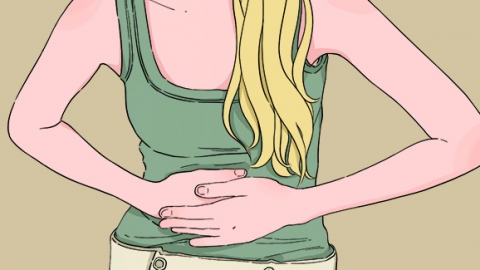
During menstruation, the pelvic region remains in a state of prolonged congestion; this congestion does not subside immediately upon menstrual cessation, potentially causing mild lower abdominal heaviness or discomfort. Menstrual blood flow may cause frictional irritation to the external genitalia and vaginal tissues. Physical fatigue or prolonged sitting can impair local circulation, thereby exacerbating the sensation of swelling and pain—symptoms that typically resolve spontaneously within a short period.
Inadequate hygiene during menstruation may promote bacterial growth, leading to vulvovaginitis and resulting mucosal congestion and edema, which manifest as persistent distension and pain. Pelvic inflammatory disease or pathological abnormalities of the adnexa can continuously irritate pelvic tissues, causing persistent lower abdominal heaviness, often accompanied by abnormal signs such as increased vaginal discharge, foul-smelling discharge, or dull abdominal pain—conditions unlikely to resolve spontaneously.
Maintain cleanliness and dryness of the external genitalia both during and after menstruation. Wear loose-fitting, breathable cotton clothing and avoid prolonged sitting. Follow a light diet, avoiding cold, raw, and spicy foods, and ensure adequate rest. If distension or pain persists or progressively worsens, timely diagnostic evaluation is essential to identify any underlying abnormalities and initiate appropriate management and improvement strategies.


