Is black menstrual blood a sign of “cold uterus”?
Jun 17, 2026
Source: Cainiu Health

Dr. Zhang Lu
Introduction
In general, dark menstrual blood does not necessarily indicate “cold uterus” (a traditional Chinese medicine concept referring to uterine coldness). If you experience any discomfort, it is advisable to seek medical attention promptly. In daily life, maintain a regular sleep schedule and avoid prolonged熬夜 (staying up late); keep your waist and abdomen warm; and avoid raw, cold, or chilling foods. During menstruation, engage in moderate physical activity to promote smooth circulation of qi and blood, reduce stagnation of menstrual blood, stabilize qi and blood flow, and support uterine health.
Generally speaking, dark menstrual blood is not necessarily indicative of “cold uterus” (a traditional Chinese medicine concept referring to uterine coldness). If you experience any discomfort, it is advisable to seek medical attention promptly. A detailed analysis follows:
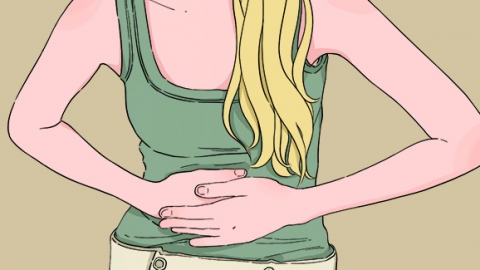
Dark menstrual blood commonly occurs during the initial and final days of menstruation and is often a normal physiological phenomenon. During these phases, menstrual flow is relatively light and slow, causing blood to remain in the uterine cavity for an extended period. This leads to oxidation and subsequent darkening—often appearing black or deep brown. In such cases, no associated symptoms—such as abdominal pain, lower back soreness, or aversion to cold—are present, and menstrual cycle length and volume remain regular and stable.
When dark menstrual blood is linked to “cold uterus,” it is typically accompanied by multiple systemic manifestations. Cold accumulation in the uterus impedes the smooth circulation of Qi and blood, resulting in blood stasis and impaired menstrual outflow. Consequently, menstrual blood remains persistently dark, often with clots; women may also experience cold, crampy lower abdominal pain, a sensation of heaviness or distension in the lower abdomen and lumbar region, chronic intolerance to cold, cold extremities, and persistent menstrual discomfort throughout the entire period.
In daily life, maintain regular sleep-wake patterns and avoid prolonged late-night activity. Ensure adequate warmth—especially around the waist and abdomen—and avoid raw, cold, or icy foods. Engage in moderate physical activity during menstruation to promote healthy circulation of Qi and blood, reduce blood stasis, sustain stable menstrual flow, and support overall uterine health.