


What are the methods for self-checking thyroid enlargement?

Generally, self-examination methods for goiter include visual inspection, observation during swallowing, manual palpation, symmetry comparison, and tactile assessment. If abnormal thyroid enlargement is detected, it is recommended to promptly seek evaluation and diagnosis at a reputable hospital. A detailed explanation follows:
1. Visual Inspection
Visual inspection should be performed in a well-lit environment with the neck muscles relaxed. Face a mirror directly and observe the anterior neck region. Normally, the thyroid gland lies deep beneath the skin of the neck and does not produce any visible bulge; the neck contour appears smooth and even. Localized protrusion or asymmetry in the anterior neck may preliminarily indicate thyroid enlargement.
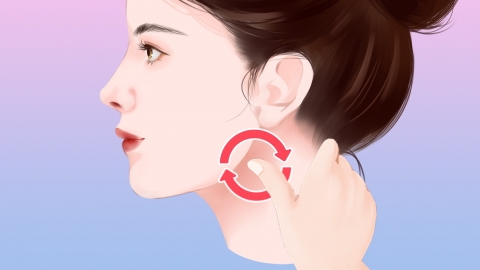
2. Observation During Swallowing
This method can be performed while facing a mirror, keeping the head upright and performing slow, deliberate swallowing movements. The thyroid gland moves upward and downward with each swallow. In cases of goiter, a distinct, mobile bulge becomes visibly apparent during swallowing; conversely, a non-enlarged thyroid shows no prominent protrusion during swallowing.
3. Manual Palpation
For manual palpation, relax the neck muscles and place the index and middle fingers of both hands together. Gently press on both sides of the trachea in the neck region. Slowly glide your fingers across the area while assessing tissue texture. Any noticeable bulge, hard nodule, or localized thickening suggests possible thyroid enlargement.
4. Symmetry Comparison
Symmetry comparison uses the trachea as the midline reference to assess the fullness of the left and right neck regions. In healthy individuals, the thyroid regions on both sides appear evenly symmetrical, with consistent contours and thickness. Obvious fullness or protrusion—either unilaterally or bilaterally—is an intuitive sign of thyroid enlargement.
5. Tactile Assessment
Tactile assessment builds upon manual palpation: gently press the thyroid region to evaluate its consistency. Mildly enlarged thyroid tissue typically feels soft; however, when enlargement is accompanied by inflammation or hyperplasia, the tissue tends to feel firmer. Nodular areas may also be palpable, helping differentiate among various pathological states of goiter.
In addition, thyroid enlargement may present with symptoms such as neck tightness or a sensation of a foreign body during swallowing. Regular self-examination in daily life—and routine medical check-ups—are advisable to detect thyroid abnormalities early and enable timely intervention and management.


