


How Ultraviolet Radiation Triggers Rosacea

Generally, ultraviolet (UV) radiation triggers rosacea through several mechanisms, including impairment of the skin barrier, dilation of facial blood vessels, induction of skin inflammation, activation of immune responses, and exacerbation of neurosensitivity. If you frequently experience facial redness, burning, or other discomfort, it is advisable to seek timely evaluation and care at a reputable hospital. A detailed analysis follows:
1. Impairment of the Skin Barrier
Prolonged UV exposure damages the stratum corneum’s structural integrity in the facial epidermis, reducing its ability to retain moisture and provide protection. As the skin’s superficial protective capacity declines, even minor external stimuli can easily penetrate into the underlying tissues. This progressively lowers skin tolerance, leading to fragile, sensitized skin—a key predisposing factor for rosacea development.
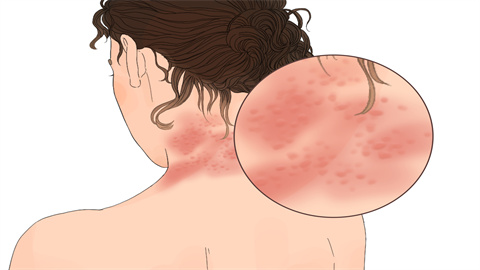
2. Dilation of Facial Blood Vessels
UV radiation elevates subcutaneous tissue temperature, causing persistent dilation of facial capillaries. With repeated cycles of dilation and constriction, vascular elasticity gradually deteriorates, resulting in persistent facial erythema and visible telangiectasia—hallmark features of rosacea-related facial redness.
3. Induction of Skin Inflammation
Excessive UV exposure stimulates the overproduction of pro-inflammatory cytokines, which accumulate in the dermis. Sustained cytokine-mediated stimulation of cutaneous tissues leads to recurrent episodes of erythema, burning, and stinging; chronic exposure may ultimately trigger inflammatory lesions characteristic of rosacea.
4. Activation of Immune Responses
UV radiation alters the normal physiological state of skin cells, provoking aberrant immune responses. Persistent immune system activation intensifies inflammatory infiltration in the dermis, causing recurrent facial erythema and burning sensations—and thereby increasing the risk of rosacea onset.
5. Exacerbation of Neurosensitivity
UV radiation stimulates cutaneous peripheral nerves in the face, heightening neuronal excitability. Increased neurosensitivity renders the skin reactive to mild stimuli—such as changes in temperature or gentle breezes—resulting in sensations of warmth and flushing, thereby worsening rosacea-associated symptoms.
Additionally, UV radiation delays skin repair processes, impeding recovery from facial lesions. In daily life, consistent sun protection, gentle cleansing, and skin barrier repair are essential to minimize direct UV exposure and reduce both the incidence and severity of rosacea flare-ups.


