


Can prolapsed hemorrhoids be manually reduced?

Generally, whether prolapsed hemorrhoids can be manually reduced depends on the degree of prolapse. If any discomfort symptoms occur, prompt medical consultation is recommended. A detailed analysis follows:
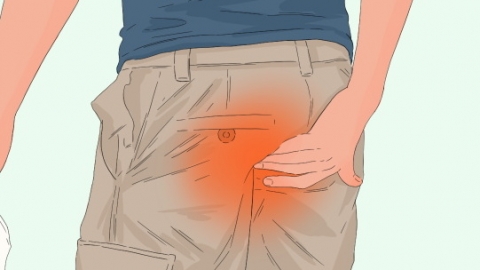
Mild hemorrhoidal prolapse can often be manually reduced. In such cases, the prolapsed hemorrhoidal tissue is relatively small in volume; the anal sphincter remains relaxed without spasm or constriction, and the perianal tissues are soft and lax. Gently relaxing the anal sphincter while applying gentle, controlled pressure allows successful reduction of the prolapsed tissue without severe pain, bleeding, or worsening edema.
Severe hemorrhoidal prolapse cannot be manually reduced. Here, the prolapsed hemorrhoidal tissue is large in volume, and prolonged prolapse may trigger anal sphincter spasm. The prolapsed tissue typically exhibits congestion, edema, and even ecchymosis. Attempting forceful reduction risks trauma to the perianal tissues, leading to significant bleeding and intense pain, and may further impair local blood circulation—exacerbating swelling and inflammation.
In daily life, maintain regular bowel habits, minimize time spent on the toilet, and avoid prolonged sitting or squatting. Increase intake of dietary fiber–rich foods to ensure soft, well-formed stools. Regular warm-water sitz baths help cleanse the perianal skin and improve local circulation, thereby reducing the frequency of hemorrhoidal prolapse and promoting overall perianal tissue health.


