


Is surgery mandatory for prolapsed hemorrhoids?

Generally, prolapsed hemorrhoids do not necessarily require surgical intervention; the decision depends on the severity of the condition. If uncomfortable symptoms arise, prompt medical consultation is recommended. A detailed analysis follows:
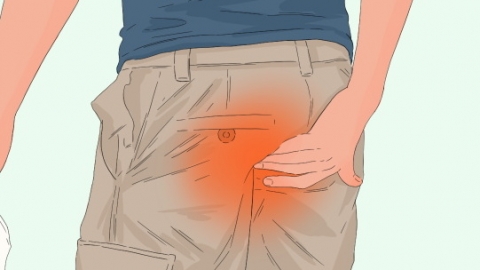
Mild prolapsed hemorrhoids typically do not require surgery. The prolapsed hemorrhoidal tissue spontaneously reduces after defecation, and patients experience only mild perianal heaviness or discomfort without frequent bleeding, swelling, pain, or other distressing symptoms. When bowel movements are regular and stool consistency remains soft, with very infrequent prolapse episodes, conservative management—including lifestyle modifications and symptomatic treatment—is usually sufficient to stabilize the perianal condition and prevent disease progression.
Surgical treatment is indicated for more severe cases of prolapsed hemorrhoids. In such cases, the prolapsed tissue fails to reduce spontaneously and requires manual reduction. Prolapse occurs frequently and is accompanied by recurrent rectal bleeding, perianal swelling and pain, pruritus, and moisture. In advanced stages, strangulation or thrombosis with edema may develop, leading to progressive worsening of symptoms that significantly impair daily life and normal defecation. Surgical intervention is then necessary to address the underlying pathology.
Adopting a healthy lifestyle can effectively reduce the frequency of hemorrhoidal prolapse. Maintain a bland, high-fiber diet, drink adequate water, avoid prolonged sitting or squatting, refrain from straining during defecation, and minimize time spent on the toilet. Practice regular, gentle perianal hygiene, establish consistent bowel habits, and limit intake of spicy or irritating foods—these measures collectively support perianal health and lower the risk of recurrence.


