


Should post-hemorrhoidectomy bleeding be a cause for concern?

Generally, whether postoperative hemorrhoidal bleeding warrants concern depends on the timing and volume of bleeding. If any discomfort symptoms arise, prompt medical consultation is recommended. A detailed analysis follows:
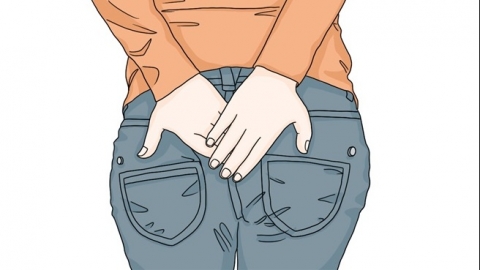
Minor, short-term bleeding after surgery typically does not require excessive concern. During the early postoperative period, slight dripping of blood or blood-stained toilet paper during defecation may occur. Such bleeding is minimal and stops quickly. It occurs only briefly after surgery, without persistent oozing, and is not accompanied by systemic symptoms such as dizziness or worsening anal heaviness—this represents a normal part of wound healing.
However, heavy or recurrent postoperative bleeding demands high vigilance. Jet-like bleeding or substantial blood loss during defecation—especially if difficult to control—or frequent bleeding persisting for several days postoperatively, along with continuous wound oozing, should raise alarm. Some wounds may also exhibit redness, swelling, and exudate. Prolonged, recurrent bleeding often causes systemic discomfort and is commonly attributable to wound dehiscence or infection; urgent medical evaluation and management are essential.
Adopting scientifically sound postoperative routines and dietary habits can help minimize bleeding risk. Consume ample dietary fiber-rich foods daily and maintain adequate hydration to ensure soft, regular bowel movements. Avoid prolonged squatting during defecation and strenuous physical activity to reduce perianal pressure. Keep the perianal area clean and dry to minimize wound friction and irritation, thereby supporting steady wound healing and lowering the likelihood of bleeding.


