


How to Relieve Facial Flaking in Seborrheic Dermatitis

Generally, the management of facial scaling associated with seborrheic dermatitis includes general lifestyle adjustments, physical soothing measures, topical medications, oral medications, and skin barrier maintenance. A detailed analysis follows:
1. General Lifestyle Adjustments
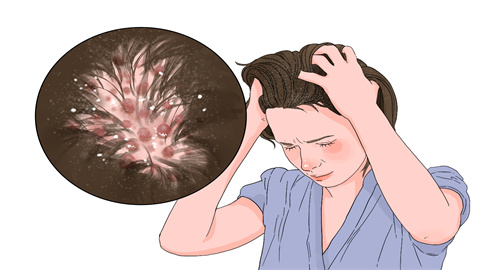
After facial scaling appears, it is essential to adjust daily routines and dietary habits—maintaining regular sleep patterns and avoiding prolonged late-night activity to stabilize skin metabolism. Intake of high-sugar, high-fat, and spicy or irritating foods should be reduced to prevent abnormal sebaceous gland secretion and minimize follicular irritation. Additionally, frequent facial friction should be avoided, and flaking skin should never be forcibly peeled off, as this may further damage the epidermis and exacerbate inflammation.
2. Physical Soothing Measures
Physical soothing methods can gently alleviate facial dryness and scaling. Common approaches include cold mist therapy and gentle wet compresses. Cold mist therapy helps constrict facial capillaries, soothe erythematous and dry skin, and reduce inflammatory responses. Gentle wet compresses soften dry, keratinized stratum corneum, facilitating natural exfoliation of old scales, improving roughness and flaking, and simultaneously replenishing skin hydration.
3. Topical Medications
Topical medications act directly on affected facial areas to improve scaling and inflammation. Under medical guidance, patients may use agents such as ketoconazole cream, tacrolimus ointment, or vitamin B6 ointment to regulate skin condition, inhibit microbial proliferation on the skin surface, and relieve dryness and flaking.
4. Oral Medications
For recurrent facial scaling, adjunctive oral medications may be prescribed. Clinically common options include cetirizine hydrochloride tablets, fexofenadine hydrochloride tablets, and loratadine hydrochloride capsules—these help modulate abnormal cutaneous inflammatory responses, reduce skin hypersensitivity, and lower the recurrence rate of scaling.
5. Skin Barrier Maintenance
Impaired skin barrier function is a core underlying cause of recurrent facial scaling. Daily skincare must therefore emphasize gentleness. Use cleansers with simple, non-irritating ingredients and avoid over-cleansing, which strips away natural skin oils. Consistently apply moisturizing and barrier-repairing skincare products to replenish essential water and lipids, repair damaged stratum corneum, enhance skin resilience against external irritants, and reduce episodes of dryness and scaling.
Additionally, during skin care, maintain facial cleanliness and dryness, and consistently adhere to sound skincare and lifestyle practices. If facial scaling is accompanied by progressively worsening erythema, swelling, or stinging pain, prompt medical consultation is advised to reassess and adjust the treatment plan.


