


Can long-term high stress affect ovulation?

Under normal circumstances, prolonged high stress may affect ovulation. If you experience any discomfort, it is advisable to seek medical attention promptly. A detailed explanation follows:
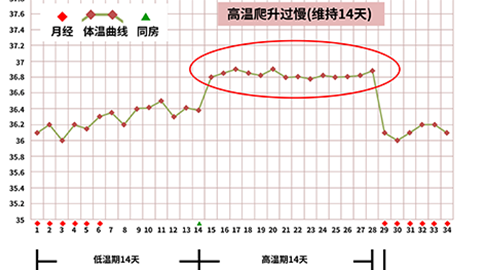
Remaining in a chronically high-stress state disrupts the body’s endocrine rhythm, thereby interfering with normal ovulation. Mental tension and emotional anxiety stimulate the secretion of stress hormones, which suppress the pituitary gland’s release of gonadotropins—hormones essential for ovarian follicular development and ovulation. Sustained stress can also lead to irregular sleep patterns and persistent nervous system hyperarousal, further disturbing hormonal balance. This may result in delayed follicular development, postponed ovulation, or—in severe cases—irregular ovulation or temporary anovulation.
Maintaining stable endocrine function and ensuring regular ovulation requires timely regulation of both physical and mental well-being. In daily life, allocate work and rest time reasonably, engage consistently in light exercise to relieve physical and mental tension, and consciously relax an overstimulated nervous system.


