


Should hyperplastic polyps be removed or not?

Generally, the decision to remove or retain a hyperplastic polyp depends on a comprehensive assessment of its size, number, histopathological type, and the patient’s specific symptoms. If any discomfort or abnormal symptoms arise, prompt medical consultation is recommended. A detailed analysis follows:
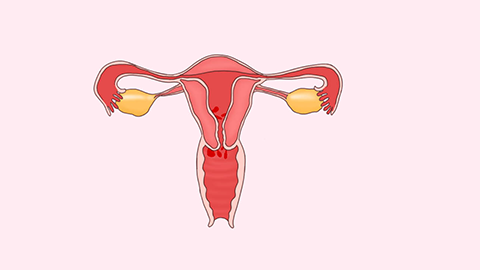
Hyperplastic polyps that are relatively large, multiple in number, or associated with mucosal abnormalities—such as abdominal discomfort or rectal bleeding—warrant timely removal. Persistent presence of such polyps increases the risk of mucosal lesions; timely excision helps prevent subsequent health complications and is suitable for most individuals with good overall health.
Conversely, small, solitary hyperplastic polyps without mucosal pathological abnormalities and causing no symptoms do not require removal. These polyps are biologically stable, grow slowly, and carry an extremely low risk of malignant transformation. Regular follow-up surveillance suffices; unnecessary medical intervention should be avoided.
In daily life, maintain a regular, light diet—minimizing intake of spicy, stimulating, greasy, or raw/cold foods—and abstain from tobacco and alcohol to reduce gastrointestinal mucosal burden. Adhere to consistent sleep-wake cycles, avoid staying up late or excessive fatigue, and engage in moderate, low-intensity physical activity to support stable metabolic function. Additionally, adhere to routine gastrointestinal screening to monitor polyp changes and sustain optimal gastrointestinal health.


