


Is facial pigmentation during pregnancy melasma?

Generally speaking, the appearance of pigmented spots during pregnancy is not necessarily melasma. A detailed analysis follows:
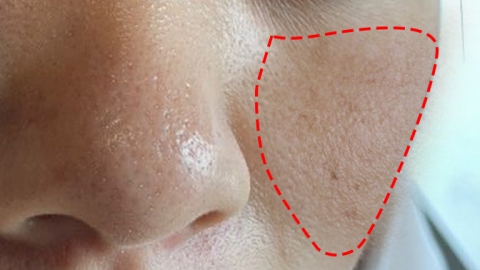
Pigmented spots appearing during pregnancy are not always melasma; most such spots are chloasma (also known as “pregnancy mask”). There are distinct differences between these two types of hyperpigmentation in terms of their underlying causes and clinical manifestations. During pregnancy, fluctuations in hormonal levels can trigger transient melanin aggregation in the skin, resulting in irregularly sized, scattered patches—commonly referred to as chloasma—which typically appear on the cheeks, forehead, and other sun-exposed facial areas. These usually fade gradually after delivery, once hormonal levels stabilize. In contrast, melasma is typically caused by a combination of long-term factors—including chronic endocrine imbalance, prolonged ultraviolet (UV) exposure, and emotional or circadian rhythm disturbances—making its etiology more complex. Unlike chloasma, melasma does not resolve spontaneously after pregnancy and differs fundamentally from the temporary pigment deposition associated with gestation.
In daily life, diligent sun protection is essential: minimize direct sun exposure when outdoors to reduce melanin accumulation. Maintain a light yet nutritionally balanced diet rich in fruits and vegetables containing vitamins to support stable skin metabolism. Adopt regular sleep-wake patterns and maintain emotional equilibrium to mitigate hormone-induced skin issues. Practice gentle cleansing and skincare to preserve overall skin stability.


