


Does a Pregnant Woman’s Sleeping Position Affect Fetal Oxygen Supply?

Generally, a pregnant woman’s sleeping position may affect fetal oxygen supply. If any discomfort arises, prompt medical consultation is recommended. A detailed analysis follows:
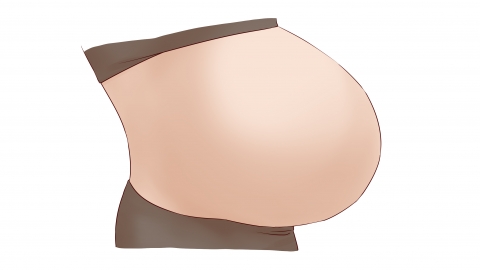
During pregnancy, the uterus continuously enlarges. Lying supine (flat on the back) can compress major abdominal blood vessels, impeding systemic venous return and reducing cardiac output efficiency—ultimately decreasing placental blood perfusion. Since the placenta serves as the sole conduit through which the mother delivers oxygen and nutrients to the fetus, compromised blood flow leads to insufficient oxygen delivery. Prolonged adoption of an inappropriate sleeping position may chronically disrupt circulation, adversely affecting normal fetal development in utero.
Side-lying positions are preferred during pregnancy, as they effectively avoid vascular compression and support unimpeded blood circulation. Nighttime sleep posture should be adjusted periodically to prevent prolonged supine positioning. Appropriately managing bed rest duration—combined with gentle limb relaxation exercises—helps maintain optimal circulatory function, sustain adequate intrauterine oxygenation, and promote stable fetal development.


